NYC Off the Grid: A Local’s Hyper-Specific Guide to Hidden Urban Gems
Uncovering the authentic hidden gems of New York City requires looking past the crowded tourist thoroughfares of Times Square and Midtown Manhattan in 2026. While millions of visitors congregate around commercial observation decks, the true cultural vitality of the five boroughs thrives across quiet residential enclaves, specialized historic preservation districts, and subterranean culinary institutions. Experiencing New York like a local means knowing which subway routes, neighborhood micro-clusters, and architectural landmarks offer rich cultural depth away from mass tourist lines.
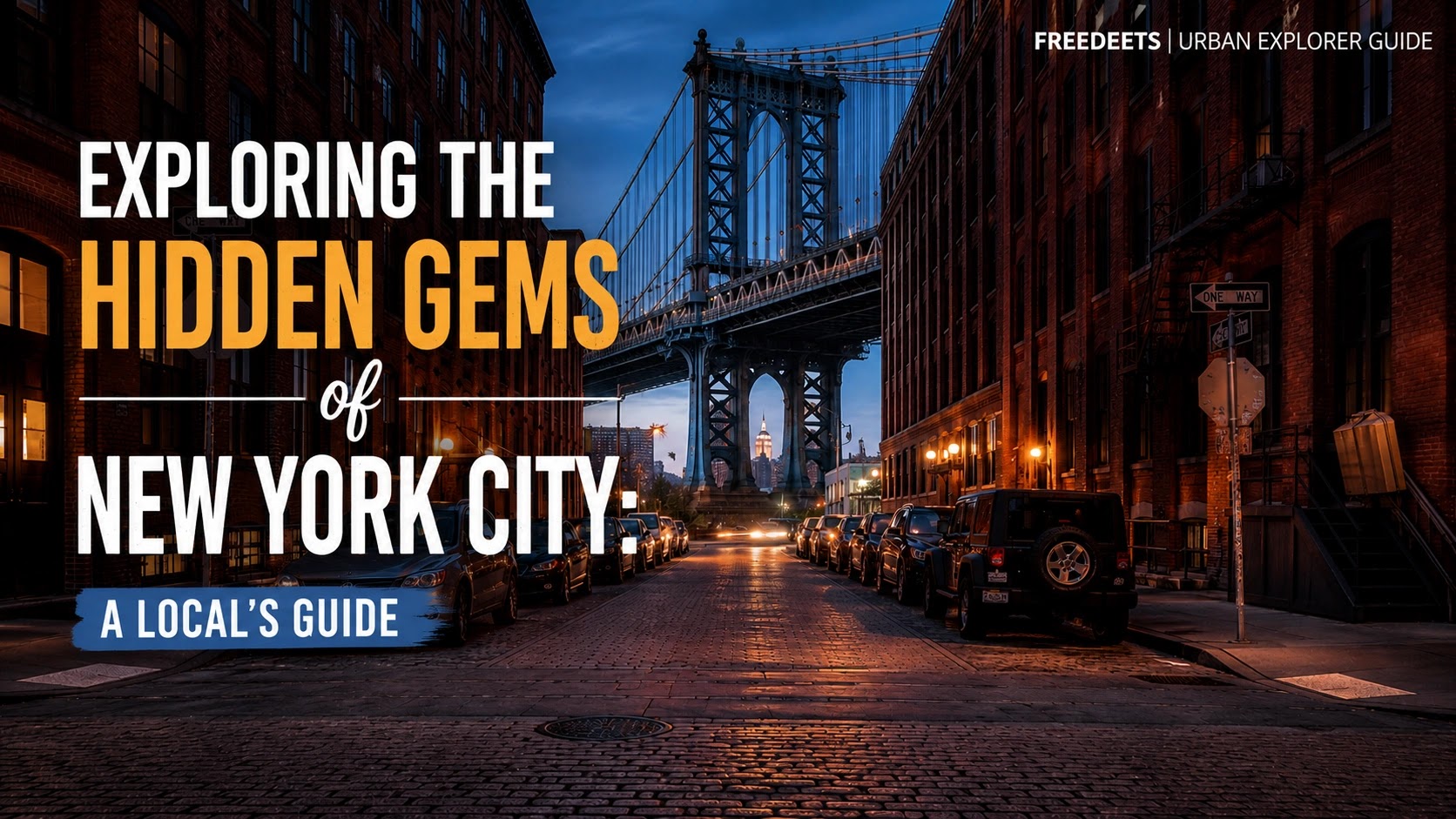
Modern travelers increasingly seek authentic urban experiences that combine neighborhood character with practical logistics. According to transit guidance published by the Metropolitan Transportation Authority (MTA), New York’s subway and bus network makes reaching outer-borough cultural districts fast, affordable, and direct via contactless OMNY payments. Rather than spending entire afternoons waiting in line at generic midtown attractions, targeting self-contained neighborhood pockets allows you to maximize your time and budget.
Core Urban Travel Insight: Neighborhood Micro-Clustering
Avoid crossing rivers multiple times in a single afternoon. Group your itinerary into geographic micro-clusters—such as pairing Long Island City art spaces with Astoria dining, or combining DUMBO with the Brooklyn Navy Yard—to minimize transit time and enjoy walkable exploration.
1. Deep-Dive Neighborhood Micro-Clusters Across the Outer Boroughs
To experience the city’s residential rhythm, focus on self-contained neighborhoods that offer distinctive culinary traditions, industrial heritage, and public art:
Astoria, Queens: Cinematic Heritage and Greek Dining
- Transit Directions: Take the N or W subway train directly to the 30th Avenue or Broadway stations.
- Cultural Anchor: The Museum of the Moving Image (MoMI) (36-01 35th Ave). Located on the historic Kaufman Astoria Studios lot, this museum offers hands-on exhibits exploring film editing, screenwriting, audio synthesis, and digital video design, including the permanent Jim Henson Exhibition.
- Culinary Tradition: Skip commercial chains and visit neighborhood establishments like Taverna Kyclades or Agnanti Meze near Astoria Park for whole grilled branzino, roasted lemon potatoes, and traditional Greek meze.
The Brooklyn Navy Yard: Industrial Preservation & Modern Innovation
- Transit Directions: Take the NYC Ferry (Astoria or East River route) directly to the Brooklyn Navy Yard dock, or ride the B57 bus from Downtown Brooklyn.
- Historic Significance: Operating as a premier naval shipbuilding yard from 1801 through 1966, this 300-acre waterfront complex produced historic vessels like the USS Missouri. Today, it functions as a modern hub for green-tech manufacturing and design studios.
- Visitor Highlights: Visit Building 92 for architectural and naval history exhibits, or tour Brooklyn Grange, a commercial rooftop soil farm providing local produce across the borough.
2. Unconventional Art Institutions and Historic Houses
New York is home to world-class specialized museums that provide quiet, contemplative gallery spaces without the massive crowds of museum row:
| Cultural Institution | Neighborhood Location | Curatorial Focus | Visitor Logistics |
|---|---|---|---|
| The Met Cloisters | Fort Tryon Park, Upper Manhattan | Medieval European art, illuminated manuscripts, and herb gardens. | Take the A train to 190th Street. Your admission includes same-day entry to The Met Fifth Avenue. |
| The Tenement Museum | Lower East Side (103 Orchard St) | Preserved apartments showcasing 19th- and 20th-century immigrant life. | Guided tours must be booked online in advance to protect historic interiors. |
| SculptureCenter | Long Island City, Queens | Experimental contemporary installation art. | Housed in a renovated 1908 trolley repair shop with brick basement vaults. |
| The Noguchi Museum | Long Island City / Astoria | Sculptures, lighting, and an outdoor rock garden by Isamu Noguchi. | Offers admission discounts on the first Friday of each month with advance reservation. |
According to exhibition archives from The Metropolitan Museum of Art, The Cloisters incorporates elements from five medieval French cloisters dating between the twelfth and fifteenth centuries, providing an immersive glimpse into historical ecclesiastical architecture perched high above the Hudson River.
3. Subterranean Dining and Secret Cocktail Lounges
New York’s subterranean dining and cocktail scenes represent an essential facet of its nightlife culture, but enjoying them requires knowing their operational protocols:
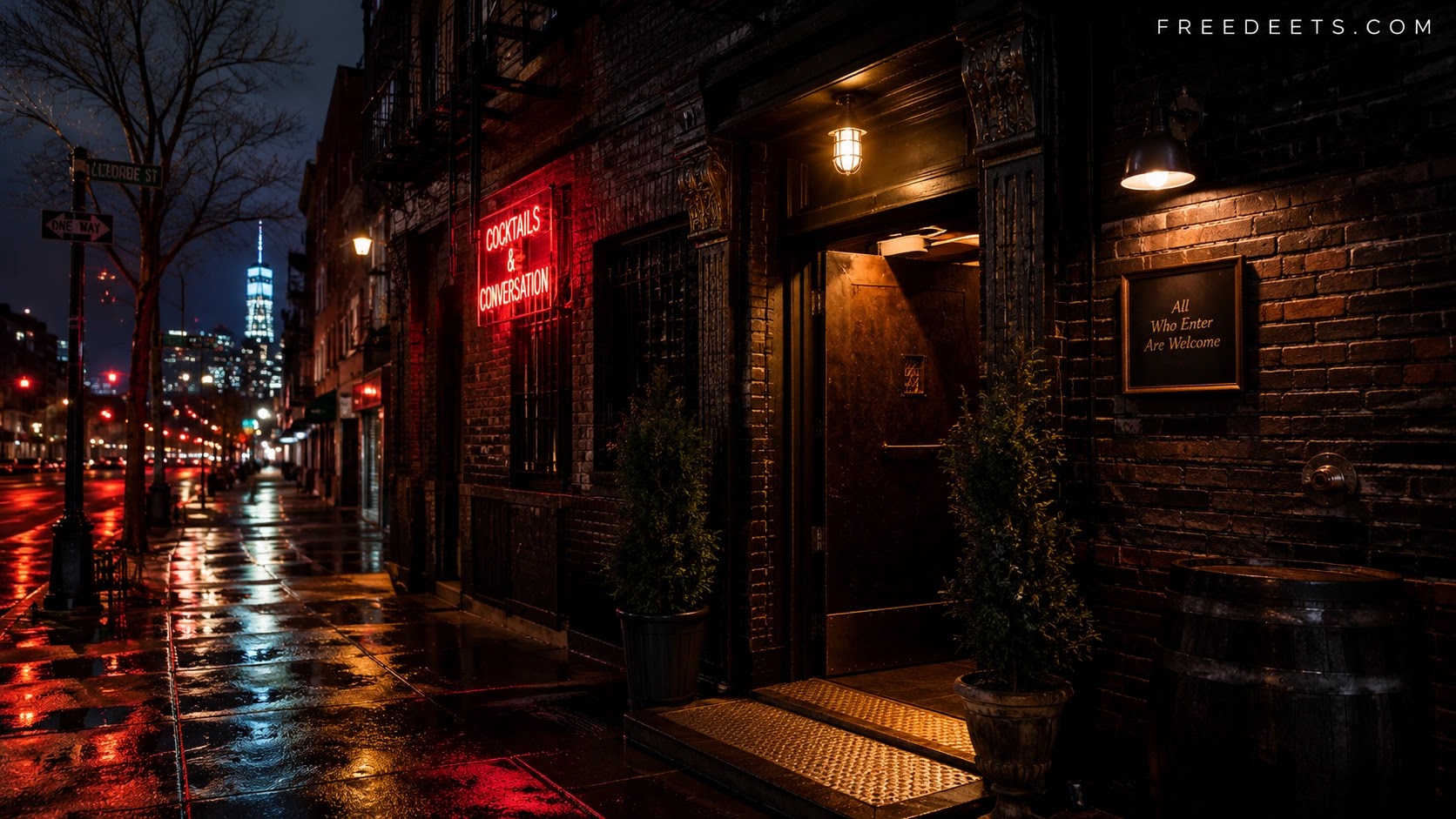
- PDT (Please Don’t Tell – East Village): Located at 113 St. Marks Place inside Crif Dogs. Patrons enter a vintage phone booth inside the hot dog storefront, pick up the receiver, dial ‘1’, and wait for a hidden wall door to open into a cocktail lounge. Bookings open daily via Resy.
- Wo Hop (Chinatown Basement – 17 Mott St): Serving Cantonese comfort food since 1938. Head down the steep exterior steps into the basement dining room (not the upstairs dining room opened later by separate operators). Order the classic roast duck noodle soup, steamed pork dumplings, or salt-and-pepper squid.
- Arthur Avenue Retail Market (The Bronx): Take the Metro-North train from Grand Central Terminal to Fordham Station. Walk to East 187th Street to explore the authentic Italian culinary hub of Belmont. Visit Mike’s Deli inside the covered public market for fresh hand-pulled mozzarella, aged prosciutto, and house-made mortadella.
4. Quiet Urban Green Pockets Away from Mid-City Crowds
When Central Park’s central lawns become crowded during warm weekends, New York offers beautifully preserved historic landscapes across its upper reaches and outer boroughs:
- The North Woods (Central Park North): Enter at 110th Street. Designed by landscape architects Frederick Law Olmsted and Calvert Vaux to evoke the wild Adirondack Mountains, this 40-acre wooded valley features winding stone staircases, dense hardwood forest canopies, and a naturalistic stream system known as The Loch.
- The Heather Garden in Fort Tryon Park: Perched 200 feet above the Hudson River in Washington Heights, this three-acre public garden features over 500 species of perennial plants, heathers, and shrubs, offering sweeping views of the George Washington Bridge and New Jersey Palisades.
- Green-Wood Cemetery (Sunset Park, Brooklyn): Founded in 1838 and designated a National Historic Landmark, this 478-acre historic arboretum features 19th-century Gothic Revival monuments, peaceful glacial ponds, and battle sites from the American Revolutionary War.
5. 7 Essential Transit and Etiquette Rules for Exploring NYC
Navigating New York efficiently requires adopting the commuting customs of local residents:
- Use OMNY Contactless Tap-to-Pay: Simply tap a contactless credit card, debit card, or smartphone wallet at any subway turnstile or bus reader. After 12 paid rides within a single Monday-to-Sunday week, additional rides are automatically free under the MTA fare-capping system.
- Master Subway Platform Navigation: Check whether an incoming train is running Local (stops at every station) or Express (stops only at major transfer hubs) before boarding. Listen for overhead conductor announcements during weekend track maintenance.
- Step Aside at Train Doors: Always stand to the side of subway doors to allow departing passengers to exit the car completely before you attempt to board.
- Stand Right, Walk Left on Escalators: On subway escalators and transit stairs, maintain a single file on the right side if standing; leave the left lane completely open for moving pedestrians.
- Walk with the Flow of Sidewalk Traffic: Avoid stopping abruptly in the center of busy footpaths to check phone maps; step aside toward a storefront or building alcove to orient yourself.
- Standard Tipping Conventions: Standard gratuity in sit-down restaurants is 18% to 20% of the pre-tax bill. Bartenders typically receive $1 to $2 per beer/wine order, or 20% on cocktail tabs.
- Take the NYC Ferry for Scenic River Transit: For $4.00 per ticket, the public NYC Ferry connects Wall Street, Brooklyn Bridge Park, the Navy Yard, and Astoria, offering stunning harbor views without the expense of commercial sightseeing boats.
Frequently Asked Questions About New York City Hidden Gems
Is it safe to visit outer-borough neighborhoods like Astoria or Arthur Avenue?
Yes. Both Astoria (Queens) and Arthur Avenue (The Bronx) are established, family-oriented residential and commercial communities with active street life, well-lit sidewalks, and frequent public transportation options throughout the day and evening.
Do I need cash for Chinatown or basement dining spots in NYC?
While many modern restaurants now accept cards and contactless pay, traditional basement eateries and heritage bakeries in Chinatown often prefer cash or maintain small minimums for credit card transactions. Carrying $20 to $40 in cash is recommended when exploring historic food stalls.
What is the most scenic, under-the-radar view of the Manhattan skyline?
Gantry Plaza State Park in Long Island City, Queens, offers unobstructed, panoramic views of the Midtown Manhattan skyline (including the Chrysler Building, United Nations, and Empire State Building) across the East River, complete with waterside piers and restored gantry cranes.
Core Takeaways for Urban Explorers
- Group your daily itinerary into neighborhood micro-clusters to reduce travel fatigue.
- Use OMNY contactless tap-to-pay for seamless, fare-capped transit across all five boroughs.
- Book specialized historic house and speakeasy reservations 7 to 14 days in advance.
Conclusion
Experiencing the true hidden gems of New York City transforms a routine vacation into an unforgettable cultural journey. By looking beyond the crowded tourist hotspots of Midtown and venturing into neighborhood micro-clusters like Astoria, the Brooklyn Navy Yard, and Upper Manhattan, you’ll discover the diverse history, authentic dining, and creative energy that define everyday life in the city. Plan your transit route, respect local commuting etiquette, and explore the captivating urban corners that casual visitors rarely get to see.