Master Google Ads in the USA: The Ultimate Campaign Optimization Blueprint
Running profitable Google Ads in the USA requires significantly more than assembling basic keyword lists and writing generic ad copy. The American pay-per-click (PPC) ecosystem is one of the most competitive and expensive advertising environments in the world. High average Cost-Per-Click (CPC) rates mean that minor inefficiencies in search query matching, bidding strategies, or landing page flow can rapidly exhaust your marketing budget. Adopting a structured campaign optimization blueprint ensures that your marketing dollars drive measurable, high-intent conversions.
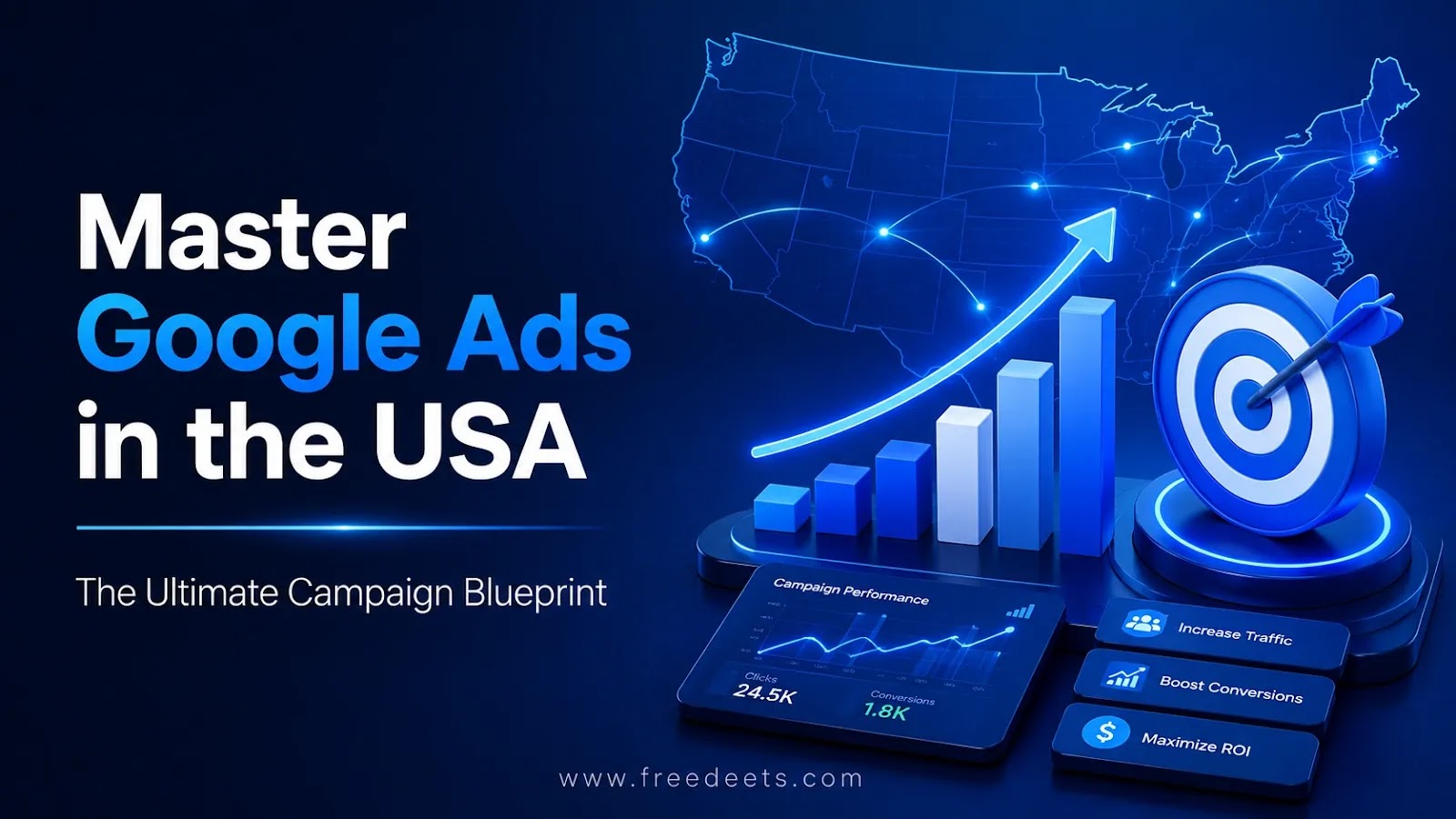
Managing search ad campaigns successfully in North America demands strict data discipline. According to official performance documentation from Google Ads Help, achieving high Ad Relevance and Quality Scores directly reduces the effective price paid per auction click. Rather than chasing broad impression counts, successful advertisers focus on intent-driven keywords, conversion value rules, and streamlined mobile user journeys.
Core PPC Insight for American Markets
In competitive US verticals, keyword bids can exceed $50 per click. Eliminating budget waste requires configuring strict geographic presence settings, testing Responsive Search Ads continuously, and implementing Smart Bidding algorithms backed by verified conversion data.
1. Market Dynamics of Google Ads in the USA
Marketing to US consumers and business buyers presents distinct operational hurdles that set it apart from other global territories:
- Intense Auction Competition: High-value industries—including legal services, enterprise SaaS software, mortgage banking, and commercial insurance—command high CPC thresholds that require strict negative keyword filtering.
- Geographic Market Variations: Consumer preferences, shipping requirements, and average household incomes vary widely between coastal urban centers and rural communities. Segmenting campaigns by performance zones prevents budget waste in underperforming markets.
- Fast User Expectations: American digital consumers expect frictionless checkout experiences and immediate value. Pages that load slowly or show confusing navigation forms cause immediate bounce rates, increasing your Cost Per Acquisition (CPA).
2. Intent-Driven Keyword Architecture
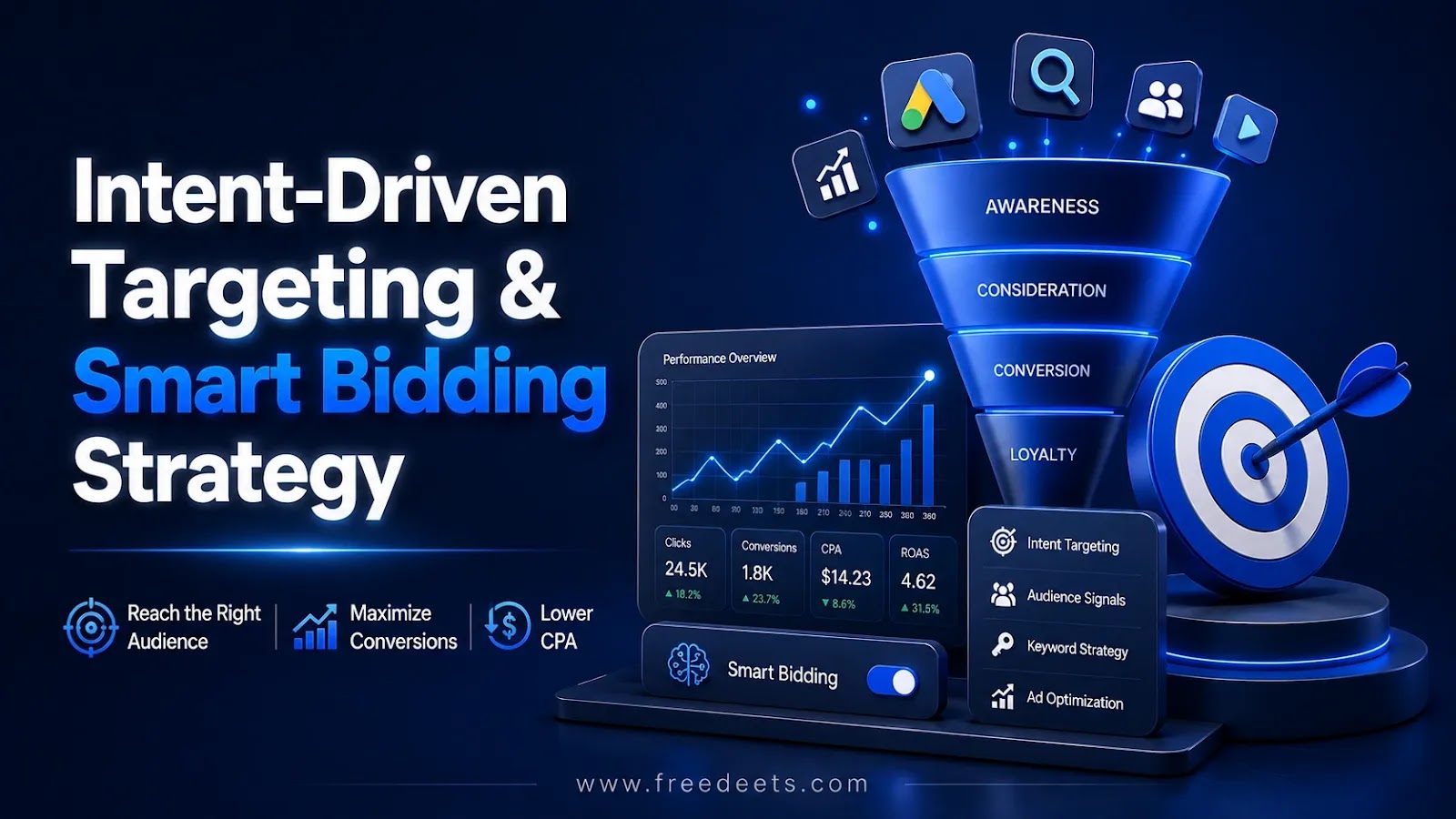
Focusing purely on high search volume without evaluating intent is one of the most common mistakes in PPC management. Structuring profitable Google Ads in the USA requires grouping terms based on customer journey stages:
| Query Intent Level | Target Keyword Example | Auction Value | Recommended Match Type |
|---|---|---|---|
| Transactional (High Intent) | “buy business insurance online quote” | Maximum Conversion Rate | Exact Match / Phrase Match |
| Commercial Investigation | “best enterprise CRM software review” | High Evaluation Value | Phrase Match |
| Informational | “how does commercial umbrella work” | Top-of-Funnel Educational | Content Marketing / SEO |
3. Crafting Responsive Search Ads (RSAs) for Higher Click-Through Rates
Responsive Search Ads (RSAs) serve as the core search format in Google Ads. You can provide up to 15 headlines and 4 descriptions, allowing machine-learning systems to test combinations and identify the highest-converting copy for individual auctions.
- Front-Load High-Volume Keywords: Include primary target keywords in your first 3 to 5 headlines to maximize Ad Relevance scores.
- Highlight Distinct Value Propositions: Clearly communicate unique selling propositions such as “Same-Day Turnaround,” “No Setup Fees,” or “24/7 Dedicated Support.”
- Use All Available Ad Assets: Add sitelinks, callout extensions, structured snippets, and promotion assets. Expanding your ad footprint increases search result visibility and lifts Click-Through Rates (CTR).
4. Optimizing Landing Pages to Raise Quality Score
Securing a qualified click is only the first step. If your landing page fails to deliver a relevant, fast experience, your conversion rates will drop and your Quality Score will suffer.
- Direct Message Match: Ensure the primary headline of your landing page matches the promise made in your ad creative. Inconsistent messaging causes immediate user abandonment.
- Mobile Speed Optimization: Over 60% of US commercial searches occur on mobile devices. Compress visual assets, minimize render-blocking JavaScript, and ensure fast initial loads.
- Prominent Trust Indicators: Feature security badges, client testimonials, and industry accreditation marks above the fold to build immediate buyer confidence.
5. Strategic Smart Bidding and Geographic Controls
Automated Smart Bidding relies on machine learning to optimize bids for conversions during each auction. However, these models need clean conversion data and disciplined geographic settings to deliver results:
In campaign location settings, always choose “Presence: People in or regularly in your targeted locations.” Avoid the default “Presence or Interest” setting, which serves your ads to users in other countries who are merely searching for US-related topics.
| Smart Bidding Model | Primary Optimization Focus | Ideal Campaign Application |
|---|---|---|
| Maximize Conversions | Captures highest lead volume within a fixed daily budget | New campaigns building initial conversion volume |
| Target CPA (Cost Per Action) | Maintains a predetermined maximum cost per acquired lead | Mature lead generation accounts with clear acquisition targets |
| Target ROAS (Return on Ad Spend) | Optimizes bids toward total revenue generated per ad dollar | E-commerce stores with varied product profit margins |
6. Performance Tracking with Google Analytics 4 (GA4)
To measure the profitability of your Google Ads in the USA campaigns, track performance through Google Analytics 4. Monitor key metrics continuously:
- Click-Through Rate (CTR): Measures ad copy relevance. Aim for an average search CTR of 4% to 7% or higher in competitive US markets.
- Quality Score (1–10 Scale): Based on Expected CTR, Ad Relevance, and Landing Page Experience. Achieving scores between 8 and 10 lowers your actual CPC costs.
- Return on Ad Spend (ROAS): The primary metric for tracking revenue growth and validating campaign scaling decisions.
Frequently Asked Questions About Google Ads in the USA
How much does it cost to start advertising on Google Ads in the USA?
There is no mandatory minimum spend, but competitive US verticals typically require a testing budget of at least $1,500 to $3,000 per month. This allows the system to generate sufficient conversion data for machine-learning bidding models.
Why is my Google Ads budget spending without generating conversions?
Common causes include overly broad keyword match types, omitting negative keyword lists, vague ad copy promises, or slow mobile landing pages that deter incoming visitors.
How does Quality Score lower Cost-Per-Click?
Google’s ad auction formula uses the equation: Ad Rank = Maximum CPC Bid × Quality Score. A higher Quality Score allows your ad to secure top positions while bidding lower than competitors with poorly optimized pages.
Core Takeaways for US PPC Advertisers
- Restrict location settings to physical presence within the United States.
- Focus on high-intent transactional search queries to minimize wasted ad spend.
- Build mobile-first landing pages that load rapidly to maximize Quality Scores.
Conclusion
Mastering Google Ads in the USA requires a balanced strategy combining commercial intent keywords, persuasive ad copy, rapid mobile landing pages, and disciplined automated bidding. By tracking your metrics through GA4 and continually refining underperforming search terms, you can build a sustainable, profitable advertising engine that drives reliable business growth.