Navigating the Seas of Legal Challenges: How a Houston Maritime Attorney Can Help You
Navigating the aftermath of an offshore accident, rig disaster, or commercial shipping dispute requires the immediate representation of an experienced Houston maritime attorney. The Gulf Coast—anchored by the Port of Houston—is one of the busiest maritime trade and petrochemical transport hubs in the world. When catastrophic injuries occur on commercial vessels, oil rigs, or coastal barges, standard terrestrial workers’ compensation does not apply. Instead, federal admiralty statutes and maritime acts govern liability and financial recovery.

Maritime law—historically known as admiralty law—is an intricate blend of federal statutes, international conventions, and centuries-old maritime common law. According to federal statutory overviews from the Legal Information Institute (LII), admiralty jurisdiction grants specialized legal protections to qualifying seamen that are substantially distinct from standard land-based personal injury torts. Securing a skilled Houston maritime attorney ensures that complex jurisdictional boundaries and employer liability standards are leveraged effectively to maximize financial recovery.
Core Admiralty Insight: Land vs. Maritime Injury Law
Injured offshore workers are not covered by standard state workers’ compensation. Instead, federal statutes like the Jones Act permit qualifying seamen to sue negligent employers directly for pain, suffering, and full lost wage capacity.
1. Common Legal Challenges Handled by a Houston Maritime Attorney
Operations in the Gulf of Mexico and coastal waterways carry inherent operational hazards. A specialized Houston maritime attorney represents seafarers, longshoremen, and corporate vessel operators across a variety of complex legal scenarios:
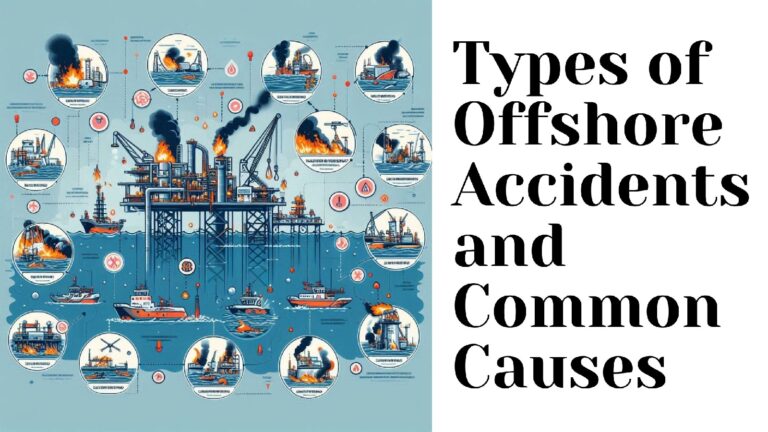
- Catastrophic Offshore Personal Injuries: Heavy deck machinery failures, crane line snaps, slip-and-falls on oil-slicked decks, and enclosed-space toxic fume inhalation aboard tankers, jack-up rigs, and tugboats.
- Vessel Collisions & Allisions: Ship-to-ship impacts, barge breakaways, or strikes against stationary docks and bridges causing hull ruptures, cargo destruction, and environmental pollution.
- Cargo & Bill of Lading Disputes: Multi-party commercial disagreements involving cargo damage, delayed ocean freight, perishable goods contamination, or breaches of charter agreements.
- Wrongful Death on Navigable Waters: Fatal offshore incidents governed by federal survival statutes, providing financial compensation for surviving dependents and families.
2. Understanding Federal Maritime Statutes: The Jones Act & Beyond
Maritime claims depend entirely on your employment classification and the geographic location of the incident:

| Maritime Statute | Protected Class | Primary Legal Remedy & Benefits |
|---|---|---|
| The Jones Act (46 U.S.C. § 30104) | Seamen assigned to a vessel in navigation (30%+ rule) | Right to sue employer for negligence; includes pain, suffering, and full past/future lost wages. |
| Longshore & Harbor Workers’ Act (LHWCA) | Dockworkers, shipbuilders, harbor crane operators | No-fault medical benefits and scheduled disability payments administered via federal statutory tiers. |
| Death on the High Seas Act (DOHSA) | Spouses and dependents of workers lost >3 nautical miles offshore | Pecuniary damages, funeral expenses, and loss of financial support for surviving dependents. |
| Maintenance and Cure Doctrine | All qualifying seamen injured in service of the ship | Immediate daily living stipend (Maintenance) and full medical bills (Cure) until Maximum Medical Improvement (MMI). |
Under the Longshore and Harbor Workers’ Compensation Act, administered by the U.S. Department of Labor (OWCP), land-based maritime personnel who do not qualify as “seamen” still receive comprehensive federal workers’ compensation protections when working on navigable waters or adjoining piers.
3. The Unseaworthiness Doctrine: A Powerful Legal Weapon
Beyond proof of direct employer negligence under the Jones Act, general maritime law provides an absolute, non-delegable duty for vessel owners to maintain a seaworthy vessel:

- Definition of Unseaworthiness: A vessel is considered legally unseaworthy if any part of the ship, its appurtenances, gear, equipment, or crew is not reasonably fit for its intended purpose.
- No Requirement to Prove Fault: Unlike negligence claims that require proving an employer knew of a hazard, unseaworthiness is a strict liability concept. Defective winches, inadequate safety ropes, uncertified crew members, or missing fire extinguishers can trigger liability immediately.
- Third-Party Vessel Owner Claims: If you are working on a vessel not owned by your direct employer, your Houston maritime attorney can file a separate unseaworthiness claim against the vessel owner alongside your employer claim.
4. 5 Critical Steps to Take After an Offshore Accident
The actions you take immediately following a maritime accident dictate the strength of your future compensation claim:
- Report the Accident Immediately: Notify the Captain, Master, or offshore safety manager immediately and request a formal copy of the official Marine Accident Report.
- Seek Independent Medical Attention: Do not rely solely on the company-selected offshore clinic. You possess the legal right under maritime law to be treated by a medical physician of your own choosing.
- Preserve Photographic and Physical Evidence: Photograph the equipment that failed, the lack of non-skid deck coatings, missing warning signs, and your physical injuries before repairs alter the scene.
- Obtain Witness Contact Details: Maritime crews rotate frequently across offshore hitches. Document personal phone numbers and home addresses of deckhands and crewmates who witnessed the accident.
- Avoid Signing Blanket Recorded Statements: Insurance claims adjusters often pressure injured seamen into signing pre-printed release forms or recorded statements while under medication. Consult a qualified Houston maritime attorney before signing any documents.
5. How a Houston Maritime Attorney Fights in Courtroom Proceedings
When insurance companies and vessel corporations refuse to offer fair compensation for disabling injuries, your legal counsel initiates formal litigation in federal or state district court:

- Deposing Ship Officers & Safety Auditors: Subpoenaing vessel maintenance records, Vessel Monitoring System (VMS) data, Coast Guard inspection reports, and safety meeting minutes.
- Retaining Marine Engineering Experts: Working with naval architects and biomechanical engineers to reconstruct accident dynamics and prove mechanical structural failures.
- Calculating Full Future Earning Capacity: Collaborating with vocational economists to quantify lifetime lost wages, lost pension credits, and future surgical expenses for disabling injuries.
Frequently Asked Questions About Hiring a Houston Maritime Attorney
Who qualifies as a “seaman” under the Jones Act?
To qualify as a seaman under the Jones Act, a worker must have an employment connection to a vessel (or identifiable fleet of vessels) in navigation that is substantial in both duration and nature. Generally, spending at least 30% of your working time aboard an active vessel satisfies this legal requirement.
What is “Maintenance and Cure” under maritime law?
Maintenance and Cure is an ancient maritime doctrine requiring vessel owners to provide injured seamen with daily living expenses (Maintenance) and complete medical treatment costs (Cure) from the time of injury until the worker reaches Maximum Medical Improvement (MMI), regardless of who was at fault.
How long do I have to file a maritime injury lawsuit in Texas?
Under federal maritime law and the Jones Act, the statute of limitations is typically three years from the date of the injury. However, claims against government-owned vessels or third-party port entities may carry notice deadlines as short as 60 to 180 days. Contacting legal counsel promptly is essential.
Core Takeaways for Offshore Workers
- You have the legal right to choose your own medical doctor under Maintenance and Cure.
- The Jones Act allows injured seamen to sue employers for negligence and recover non-economic damages.
- A dedicated Houston maritime attorney levels the playing field against corporate insurers.
Conclusion
Navigating the complex legal waters of offshore accidents and admiralty disputes demands specialized knowledge, courtroom trial experience, and deep familiarity with maritime industry operations. Trying to handle multi-million-dollar insurance claims without professional legal representation leaves you vulnerable to premature claim denials. By consulting an experienced Houston maritime attorney, you protect your legal rights, hold negligent vessel owners accountable, and secure the full financial recovery you and your family deserve.