Navigating the Seas of Justice: How an offshore Accident Lawyer Can Help You Seek Compensation
Sustaining an injury while working on the open ocean, an offshore drilling rig, or a commercial vessel presents catastrophic medical and financial hardships. Navigating these claims requires the representation of a seasoned offshore accident lawyer. Because maritime operations take place on navigable waters, standard state workers’ compensation does not apply. Instead, specialized federal admiralty statutes and maritime doctrines dictate employer liability, medical care obligations, and financial settlements.

Offshore operations—spanning the Gulf of Mexico, coastal waterways, and international shipping lanes—are governed by complex federal legal systems. According to statutory oversight provided by the U.S. Department of Labor (OWCP), injured maritime workers are entitled to distinct legal remedies depending on whether they qualify as seamen, harbor workers, or mineral resource contractors. Retaining a dedicated offshore accident lawyer ensures your claim is filed under the correct legal act to maximize your total recovery.
Core Admiralty Insight: Land vs. Maritime Injury Law
Injured seamen are not restricted to statutory workers’ comp caps. Under the federal Jones Act, qualifying offshore workers have the legal right to sue their employers directly for negligence, recovering compensation for pain, suffering, and full future earning capacity.
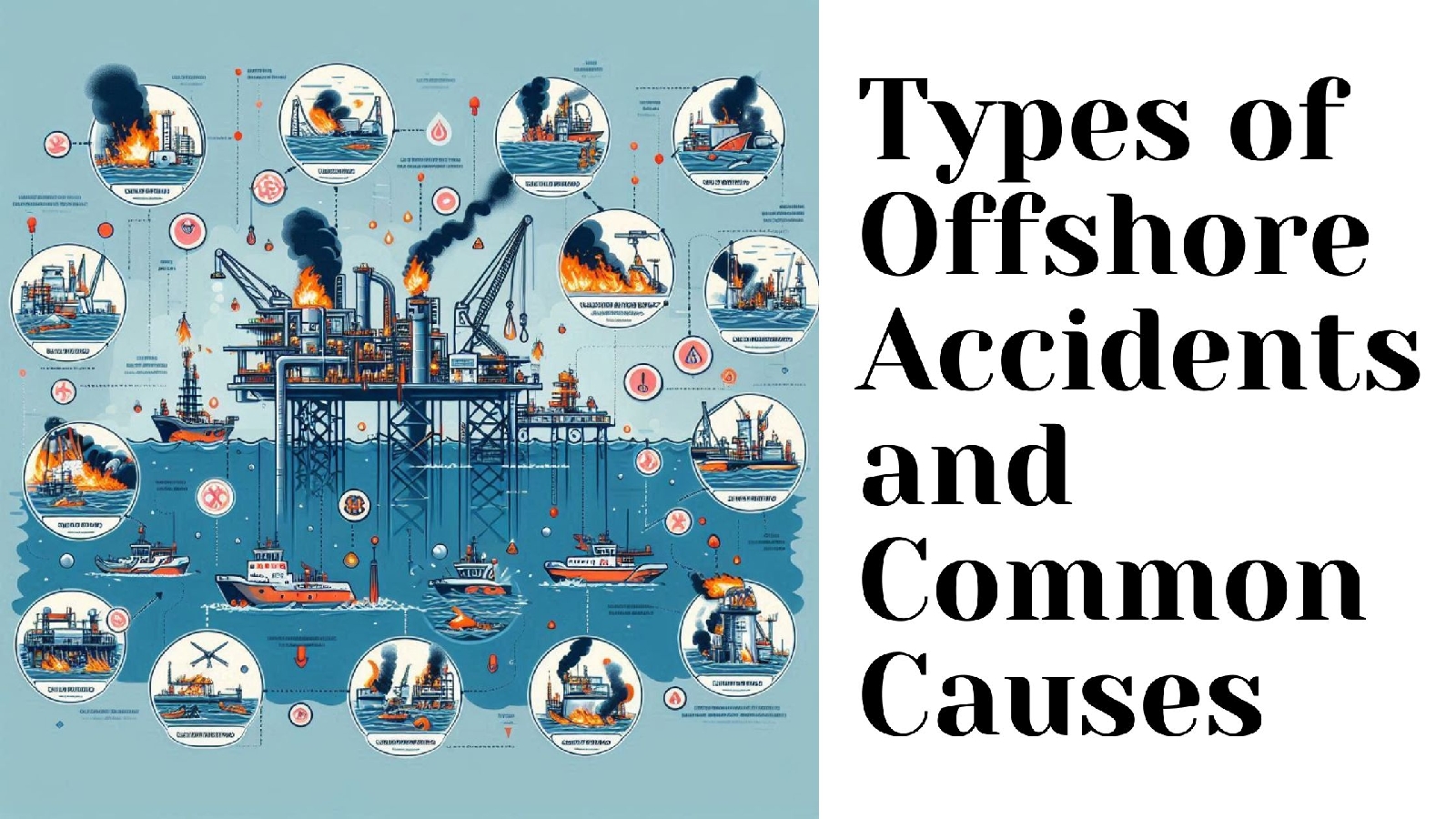
1. Types of Offshore Accidents and Common Root Causes
Working in maritime environments involves heavy machinery, volatile hydrocarbons, unpredictable weather, and isolation from emergency trauma centers. A qualified offshore accident lawyer investigates incidents arising from:

- Oil Rig Explosions & Blowouts: Wellhead pressure spikes, gas pocket ignitions, and inadequate blowout preventer (BOP) maintenance can trigger catastrophic platform fires, causing severe blast injuries and third-degree burns.
- Vessel Collisions & Groundings: Navigational errors, radar malfunctions, or poor watchkeeping that result in impacts between cargo ships, tugs, or crew-transfer boats.
- Deck Machinery & Crane Failures: Snapped mooring lines, hydraulic crane collapses, and unshielded rotating drill-floor equipment that cause crush injuries, traumatic amputations, or severe spinal trauma.
- Slips, Trips, and Falls from Heights: Unguarded scaffolding, missing safety harnesses, and decks covered in drilling mud, oil, or marine algae.
- Overboard & Man-Overboard Events: Inadequate safety railings, absent life lines, or rough sea transfers that lead to hypothermia or drowning.
2. Federal Maritime Laws Protecting Injured Offshore Workers
Unlike land-based employees whose rights fall under state workers’ compensation boards, offshore personnel are protected by federal maritime statutes:
| Maritime Statute | Eligible Personnel | Key Legal Protections & Damages |
|---|---|---|
| The Jones Act (46 U.S.C. § 30104) | Qualifying seamen contributing to a vessel in navigation | Direct negligence lawsuits against employers; covers past and future lost wages, medical costs, pain, and suffering. |
| Maintenance & Cure | All seamen injured in the service of the ship | No-fault daily living stipend (Maintenance) and full medical bills (Cure) until Maximum Medical Improvement (MMI). |
| Longshore & Harbor Workers’ Act (LHWCA) | Dockworkers, stevedores, ship repairers, harbor operators | Statutory wage compensation (two-thirds of Average Weekly Wage) and medical treatment without proving employer fault. |
| Outer Continental Shelf Lands Act (OCSLA) | Workers on fixed platforms on the Outer Continental Shelf | Extends LHWCA benefits to oil and gas extraction personnel on fixed, stationary offshore structures. |
3. The Unseaworthiness Doctrine: Strict Liability for Vessel Owners
Under general maritime law, vessel owners owe an absolute, non-delegable duty to provide a seaworthy vessel. This protection operates independently of the Jones Act:
- Strict Liability Standard: You do not need to prove that the shipowner acted with negligence or had advance knowledge of the defect. If any component of the vessel was not reasonably fit for its intended use, liability is established.
- What Constitutes Unseaworthiness: Common examples include poorly maintained winches, worn non-skid coatings, defective safety latches, undersized crews, or crew members lacking required safety certifications.
- Third-Party Liability: If you are employed by an oilfield service contractor aboard a vessel owned by a third-party drilling company, your offshore accident lawyer can pursue a Jones Act claim against your employer and a simultaneous unseaworthiness claim against the vessel owner.
4. 5 Crucial Steps to Take After an Offshore Accident
The actions you take immediately following an accident at sea directly influence the success of your legal claim:

- Report the Injury Immediately: Notify your supervisor, rig captain, or vessel master right away. Ensure an official Marine Accident Report is completed, and request a physical copy for your records.
- Seek Independent Medical Treatment: While company medics provide initial triage offshore, maritime law gives you the absolute right to be treated by a doctor of your own choosing once onshore.
- Preserve Physical and Photographic Evidence: Take clear photos of the accident scene, the broken machinery, missing safety gear, and your physical injuries before repairs alter the area.
- Record Witness Contact Details: Offshore personnel rotate hitches across different rigs and companies. Collect personal phone numbers and home addresses from coworkers who saw the accident occur.
- Do Not Sign Premature Settlement Releases: Insurance adjusters often visit injured workers in the hospital offering small advances in exchange for signing releases that surrender future claim rights. Never sign documents or provide recorded statements without legal counsel present.
5. How an Offshore Accident Lawyer Builds a High-Value Case
Pursuing an offshore injury claim involves rigorous forensic and financial preparation:

According to maritime workplace safety standards set by the Occupational Safety and Health Administration (OSHA Maritime), vessel employers must maintain rigorous hazard mitigation and maintenance protocols. An offshore accident lawyer subpoenas electronic vessel logbooks, maintenance logs, and safety audits to prove company violations, while collaborating with forensic economists to quantify lifetime lost wages and vocational impairment.
Frequently Asked Questions About Offshore Accident Claims
How long do I have to file an offshore accident lawsuit?
Under the Jones Act and general federal maritime law, the statute of limitations is generally three years from the date of the incident. However, claims against government vessels or claims requiring formal administrative notices under specific port statutes can carry deadlines as short as 60 to 180 days. Prompt legal consultation is essential.
Can I still receive compensation if I was partially at fault for the accident?
Yes. Maritime law adheres to the doctrine of pure comparative fault. Even if your own actions contributed to the accident, your financial recovery is simply reduced by your percentage of responsibility. For example, if you are awarded $1,000,000 and found 20% at fault, you still receive $800,000.
What does “Maintenance and Cure” cover?
Maintenance provides a daily cash stipend to cover food, rent, mortgage, and utilities while you recover onshore. Cure covers all reasonable medical expenses, surgeries, prescriptions, and physical therapy until you reach Maximum Medical Improvement (MMI).
Core Takeaways for Maritime Workers
- You have the legal right to choose your own independent doctor for medical treatment.
- The Jones Act allows you to sue negligent employers for pain, suffering, and full lost wages.
- Consult an experienced offshore accident lawyer before speaking to corporate claims adjusters.
Conclusion
Surviving a maritime accident or oil rig explosion is an overwhelming experience that can leave you with severe physical injuries and financial stress. Corporate insurance adjusters work quickly to minimize company liability and reduce settlements. By enlisting an experienced offshore accident lawyer, you level the playing field, protect your statutory rights under federal admiralty law, and secure the full compensation needed to rebuild your life and protect your family’s future.