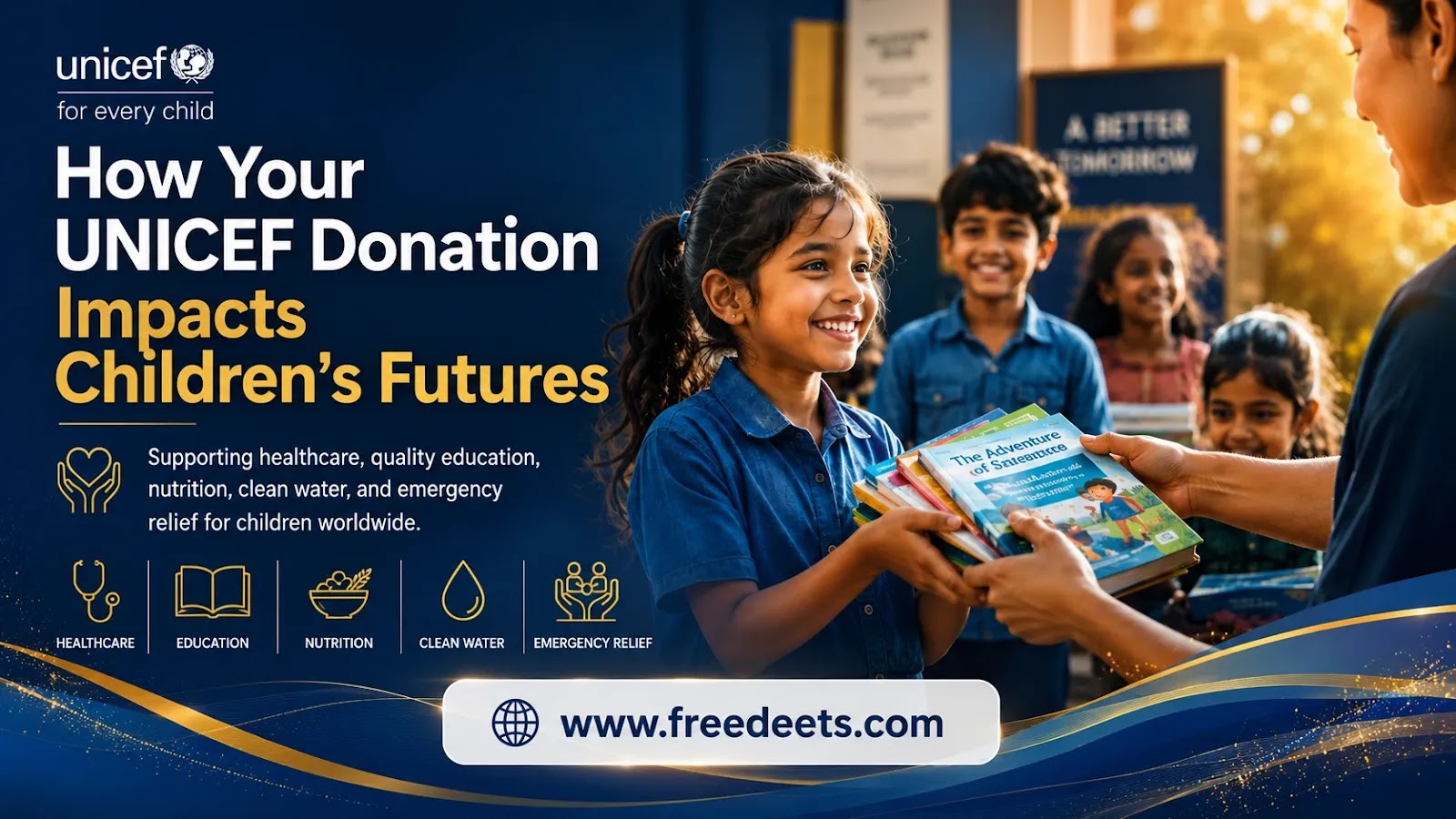
How Your UNICEF Donation Impacts Children’s Futures
Making a UNICEF donation is one of the most effective ways for global citizens to directly support vulnerable children facing conflict, poverty, and preventable illness. From sudden natural disasters and acute nutritional crises to the quiet struggle of students lacking basic classroom supplies, the scale of global humanitarian need can seem overwhelming. Discover how your UNICEF donation moves through international supply networks to deliver life-saving medicine, emergency relief, and educational access across more than 190 countries and territories.
Meaningful humanitarian impact depends on transparent, sustained international cooperation. According to global impact evaluations verified by the United Nations Children’s Fund (UNICEF), strategic community aid saves millions of young lives each year through coordinated immunization campaigns, emergency water filtration, and school construction. Because UNICEF relies entirely on voluntary contributions rather than mandatory United Nations member dues, individual and corporate donations form the backbone of its ongoing relief operations.
Core Giving Insight
Over 85% to 90% of every dollar contributed to UNICEF goes directly toward frontline child survival and development programs. Bulk global purchasing power enables every contribution to stretch significantly farther than individual private purchases.
1. The 5 Core Pillars Supported by Your UNICEF Donation
Rather than applying a rigid, one-size-fits-all model, UNICEF directs donor funding across five interconnected areas essential to childhood development and survival:
- Emergency Relief and Crisis Response: In conflict zones and natural disaster corridors, children face the highest risk of displacement and injury. Donations fund rapid-response water purification tablets, emergency surgical kits, and temporary shelter setups deployed within 48 to 72 hours of a crisis.
- Healthcare, Immunizations, and Survival: Preventable childhood illnesses continue to take lives in underserved regions. Donor contributions purchase and distribute essential vaccines for measles, polio, and tetanus, along with maternal health supplies and treatments for pneumonia and malaria.
- Treating Severe Acute Malnutrition: Contributions directly procure Ready-to-Use Therapeutic Food (RUTF). This shelf-stable, fortified peanut paste provides the vital micro-nutrients required to rehabilitate a starving child within six to eight weeks without requiring hospital admission.
- Universal Quality Education: Education provides a durable pathway out of generational poverty. Donations build resilient learning spaces, supply books and digital tools, and train local educators, ensuring that displaced children and young girls maintain continuous schooling.
- Child Protection and Legal Advocacy: Working alongside local civic leaders and national governments, UNICEF advocates to end child labor, prevent early child marriage, and protect displaced youth from exploitation and trafficking.
2. Global Supply Chain Scale: What Your Money Buys
A frequent question among first-time donors is whether a small contribution creates a measurable difference. Because UNICEF operates a massive centralized humanitarian supply warehouse in Copenhagen, bulk procurement lowers the per-unit cost of life-saving equipment dramatically:
| Contribution Level | Frontline Supply Delivery | Community Impact |
|---|---|---|
| $15 Donation | Over 180 packets of Oral Rehydration Salts (ORS) | Prevents life-threatening dehydration caused by waterborne illnesses. |
| $45 Donation | A full month of therapeutic food (RUTF) sachets | Restores normal body weight and cognitive function to a malnourished child. |
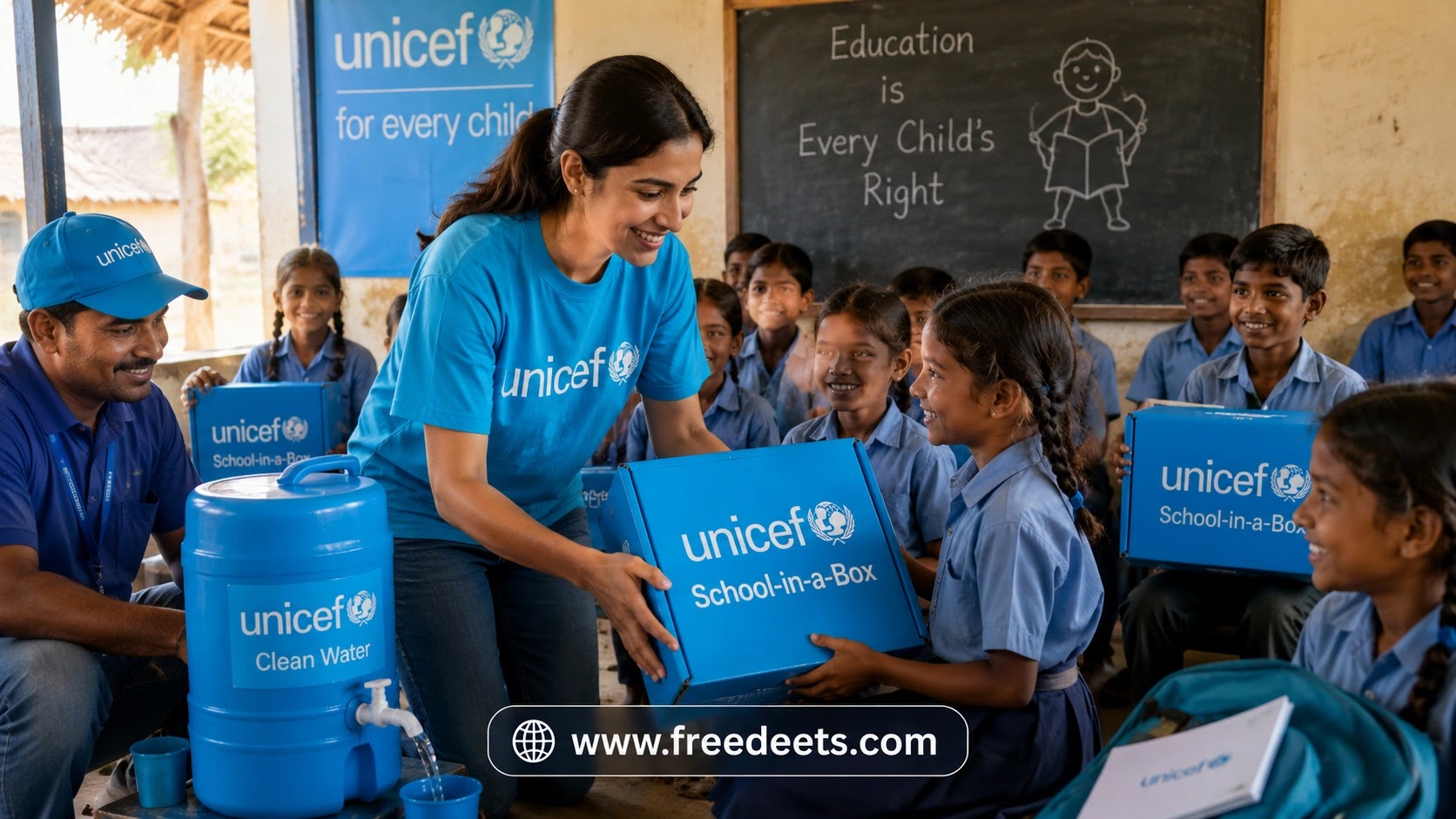
| $80 Donation | Complete “School-in-a-Box” educational kit | Equips a temporary classroom for up to 40 children during emergencies. |
| $250 Donation | Community solar water pump and piping hardware | Supplies reliable, contamination-free drinking water to an entire village. |
3. 5 Practical Ways to Structure Your UNICEF Donation
Modern philanthropic planning allows supporters to maximize the financial impact of their contributions while taking advantage of legal tax deductions:
- One-Time Emergency Donations: The fastest way to provide immediate support via credit card, PayPal, or electronic bank transfer directly to active crisis appeals.
- Monthly Recurring Contributions (Pledge Partners): Recurring giving provides predictable operating capital. This allows field teams to preposition emergency supplies before severe storms or supply disruptions take place.
- Corporate Matching Gift Programs: Many major employers match employee charitable contributions dollar-for-dollar. Checking with your Human Resources team can double your donation value at zero personal expense.
- Donating Appreciated Stocks or Crypto: In jurisdictions like the United States, transferring appreciated financial assets directly to registered nonprofits allows donors to bypass capital gains taxes while claiming full fair-market value tax deductions.
- Bequests and Estate Planning: Planned giving through donor-advised funds (DAFs), charitable remainder trusts, or designated estate bequests creates lasting intergenerational humanitarian support.
4. Fiscal Transparency and Nonprofit Governance
Before contributing to any international relief agency, verifying financial accountability is vital. Independent charity watchdog reviews conducted by Charity Navigator evaluate organizations based on governance transparency, program expense ratios, and auditing integrity.
UNICEF consistently earns top accountability ratings. Independent annual audits confirm that between 88% and 91% of total expenditures go straight to field program operations, with administrative overhead and fundraising expenses kept minimal to ensure fiscal efficiency.
5. Non-Monetary Ways to Support UNICEF Initiatives
Direct financial contributions are essential, but public engagement also plays a vital role in advancing children’s rights:
- Civic Advocacy: Contact local and national representatives to encourage continued foreign aid commitments and international public health funding.
- Community Fundraising Drives: Organize school educational campaigns, corporate challenges, or online community fundraisers to raise awareness while pooling donations.
- Amplifying Verified Field Reports: Share verified humanitarian updates across social platforms to keep underreported global emergencies visible in public discussions.
Frequently Asked Questions About Donating to UNICEF
Is my UNICEF donation tax-deductible?
Yes. In the United States, donations made through the U.S. Fund for UNICEF (UNICEF USA) are fully tax-deductible to the extent allowed by IRS 501(c)(3) guidelines. Keep your digital email receipt for annual tax preparation.
Is UNICEF funded by the regular United Nations budget?
No. While UNICEF operates as an agency of the United Nations, it receives zero funding from assessed UN member state dues. Its entire global operational budget depends on voluntary philanthropic donations from individuals, corporations, and governments.
How does monthly recurring giving benefit UNICEF compared to one-time gifts?
Monthly gifts provide reliable cash flow forecasts. This financial predictability allows logistics directors to purchase bulk supplies months in advance, lowering wholesale prices and ensuring field teams can respond instantly when sudden humanitarian emergencies arise.
Core Takeaways for Donors
- Over 85% to 90% of every dollar contributed directly funds field programs for children.
- Explore employer matching gifts to double your contribution at zero additional cost.
- Donations are tax-deductible under standard 501(c)(3) nonprofit regulations.
Conclusion
A UNICEF donation represents far more than an ordinary charitable contribution—it is a direct investment in global health, stability, and human potential. By providing clean drinking water, therapeutic nutrition, and quality schooling to underserved children, your support creates a lasting ripple effect that uplifts entire communities for generations to come.