Unleashing the Power: The Strategic Advantages of Cutting-Edge Technology in the Modern Enterprise
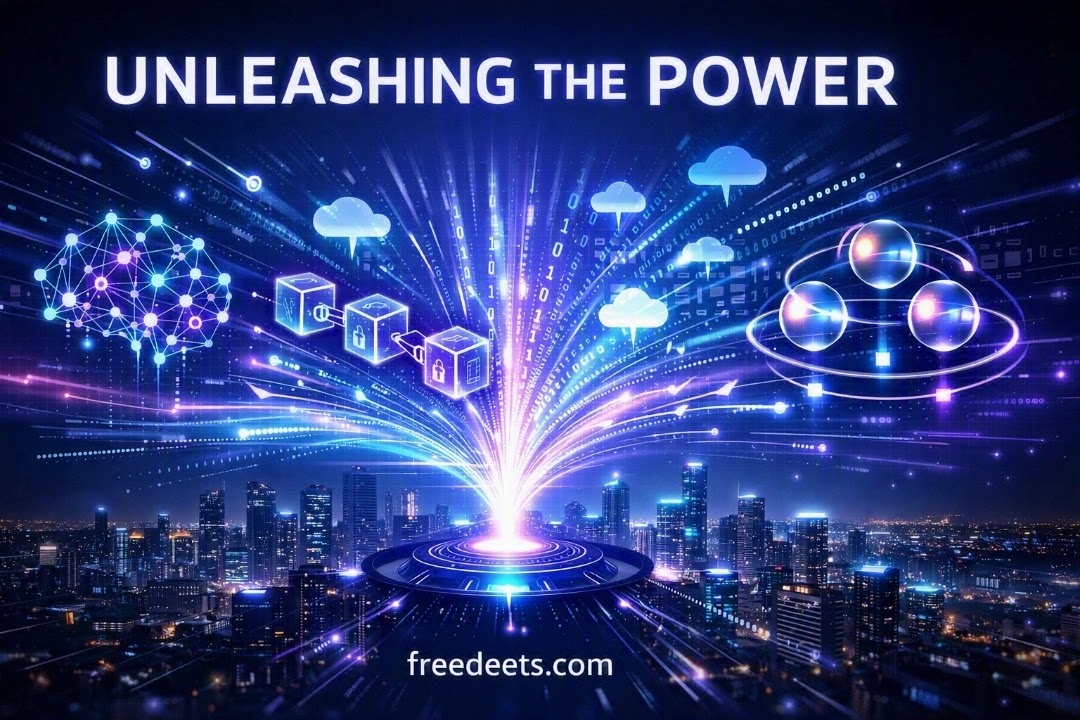
In an era defined by rapid digital transformation, relying on legacy architecture is a silent growth killer for modern businesses. Today’s global market demands hyper-efficiency, real-time analytics, and resilient data governance. Deploying cutting-edge technology—spanning Enterprise Generative AI, Quantum Computing, Autonomous Edge Networks, and Zero-Trust Cybersecurity—has shifted from an optional competitive luxury to an absolute operational imperative for scalable enterprises.
For organizations operating in fast-moving commercial markets like the United States, adopting modern tech architectures lowers customer acquisition costs (CAC) and unlocks operational leverage. According to emerging computing frameworks established by the National Institute of Standards and Technology (NIST), modernizing infrastructure with continuous zero-trust authentication and autonomous microservices provides essential insulation against multi-vector cyber disruptions.
Executive Takeaway on Digital Modernization
Moving from monolithic servers to distributed cloud architectures eliminates operational drag. Early adoption of predictive machine learning and hyper-automation builds an enduring commercial moat that legacy competitors cannot quickly match.
1. Core Pillars of the Modern Enterprise Tech Stack
To understand the strategic advantages of cutting-edge technology, corporate decision-makers must evaluate the technical pillars driving modern enterprise architectures:
- Enterprise Artificial Intelligence & Machine Learning (AI/ML): Modern deep neural networks process unstructured data at scale, generate code, automate financial forecasting, and manage multi-channel support workflows autonomously.
- Edge Computing & Autonomous Processing: By shifting computational tasks closer to local IoT devices, smart machinery, and mobile sensors, edge infrastructure eliminates latency bottlenecks, enabling real-time execution for fleet telematics and smart logistics.
- Serverless Cloud Microservices: Modern cloud designs dynamically allocate compute power per millisecond, ensuring organizations pay only for utilized resources while avoiding idle hardware overhead.
- Distributed Ledger Technology (DLT): Beyond digital tokens, enterprise blockchains and smart contracts provide immutable audit trails for international supply chains, property titles, and regulatory escrow records.
- Zero-Trust Cyber Defense: Enforcing continuous identity verification (“Never Trust, Always Verify”) across all network endpoints insulates corporate databases from lateral credential attacks.
- Quantum Information Science: Developing quantum-resistant encryption and running complex multi-variable simulations prepares forward-looking companies for the next frontier of high-speed computation.
2. 6 Strategic Advantages of Cutting-Edge Technology
Adopting advanced digital frameworks delivers clear commercial benefits across operational and financial performance metrics:
1. Productivity Gains Through Autonomous Workflows
Manual data entry, repetitive document reviews, and multi-step approvals drain operational resources. Through Hyperautomation—combining Robotic Process Automation (RPA) and Generative AI—enterprises automate repetitive workflows, allowing skilled employees to focus on strategic execution, product design, and client acquisition.
2. Hyper-Personalized Customer Experiences (CX)
Modern consumers demand immediate, personalized digital experiences. Predictive recommendation engines analyze user intent signals in real time to present tailored solutions. Deploying interactive AR visualization tools allows customers to preview physical products before buying, lifting conversion rates while cutting return rates by up to 30%.
3. Data-Driven Executive Decision-Making
Raw data without structured analysis is operational noise. Advanced analytics dashboards aggregate siloed databases into unified visual summaries, identifying supply chain delays, inventory bottlenecks, and customer churn risks long before they surface in quarterly financial reports.
4. Capital Optimization and Cost Efficiency
While upgrading enterprise software requires upfront investment, the long-term return is substantial. Serverless computing reduces idle infrastructure spend, predictive maintenance algorithms eliminate costly equipment breakdowns, and automated building management systems lower power consumption in physical facilities.
5. Automated Security and Regulatory Compliance
According to technical guidelines published by the IEEE Computer Society, continuous compliance monitoring protects against regulatory fines and data leaks. Automated policy tracking helps companies satisfy strict standards like SOC 2, HIPAA, and GDPR with minimal administrative overhead.
6. Constructing Defensible Competitive Moats
Organizations that integrate emerging tech tools build durable operational advantages. Combining rapid execution, proprietary algorithmic pipelines, and network-effect data feedback loops allows tech-forward businesses to secure long-term market share over slower competitors.
3. Industry Impact Matrix: Deploying Cutting-Edge Technology
The operational value of cutting-edge technology varies by industry application, as shown across these primary economic sectors:
| Commercial Sector | Cutting-Edge Technology Focus | Core Enterprise Outcome |
|---|---|---|
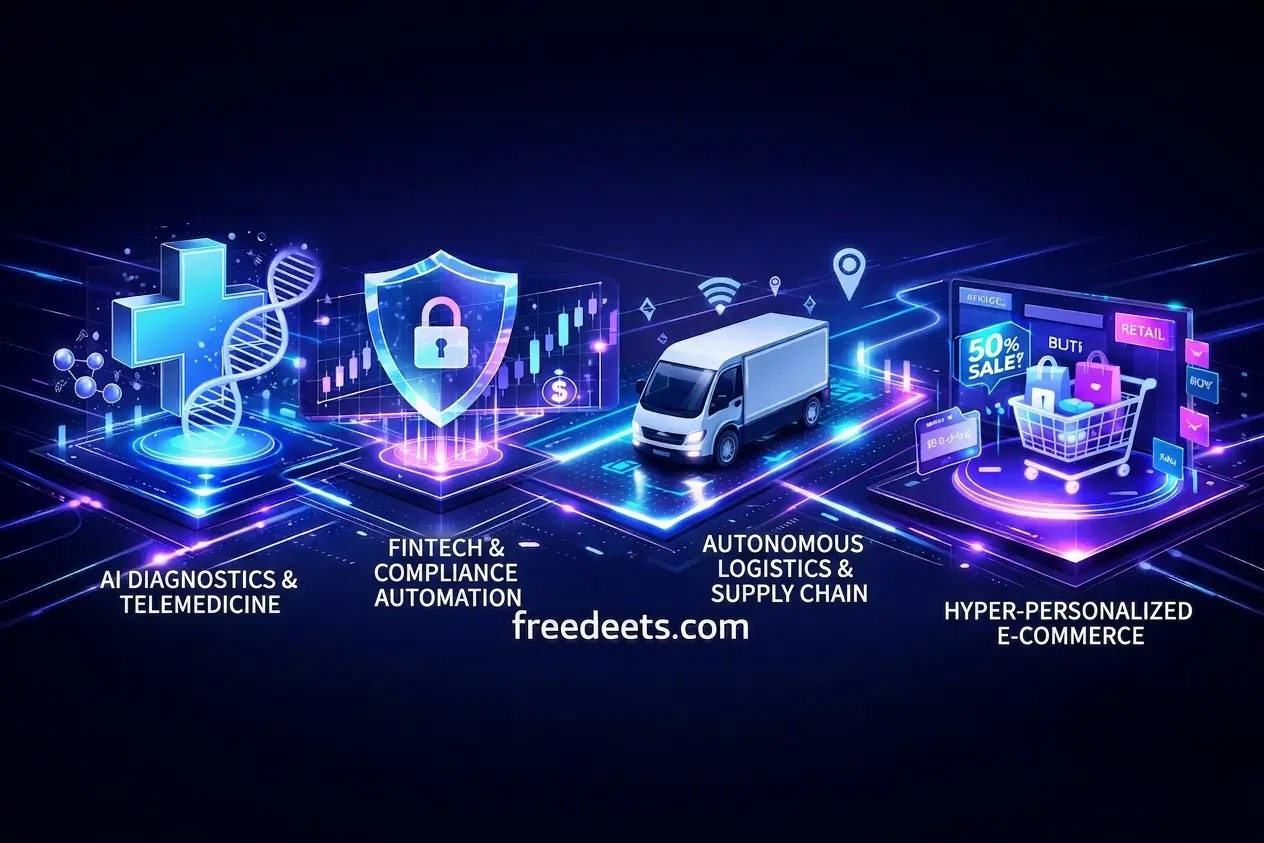
| Healthcare & Life Sciences | AI Diagnostics, Genomic Sequencing, Telehealth | Accelerated research, early diagnosis, lower clinical overhead |
| Fintech & Banking | Algorithmic Underwriting, Smart Contracts, Anomaly ML | Instant credit reviews, near-zero fraud latency, automated compliance |
| Supply Chain & Logistics | IoT Edge Sensors, Route AI, Autonomous Telematics | End-to-end cargo visibility, optimized fleet fuel costs |
| Digital Retail & E-Commerce | Spatial AR Visualizers, Dynamic Margin Engines | Increased checkout conversions, reduced inventory markdowns |
4. 4-Phase Deployment Framework for Enterprise Modernization
Rolling out advanced technological tools without a clear deployment roadmap can lead to scope creep and organizational friction. Implement solutions through this structured four-phase process:
- Needs Assessment and Gap Analysis: Avoid adopting technology solely for novelty. Audit existing operational bottlenecks to define target ROI metrics and Key Performance Indicators (KPIs) before selecting external vendors.
- Database and Pipeline Modernization: Modern applications require clean, accessible data. Transition legacy databases into scalable cloud repositories accessible via secure RESTful APIs.
- Workforce Up-Skilling and Change Management: Technology depends entirely on the teams operating it. Provide structured training workshops to build digital literacy across department teams.
- Proof of Concept (PoC) and Iterative Scaling: Test new software within a single business unit. Evaluate performance against baseline KPIs, adjust based on user feedback, and scale across the organization once system stability is verified.
5. Managing Risk, Ethical Governance, and Privacy Regulations
While adopting cutting-edge tools delivers immense leverage, organizations must maintain strict governance to safeguard operations:
- Mitigating Algorithmic Bias: Audit machine-learning models continuously to verify that training datasets represent fair, ethical parameters in hiring, lending, and customer scoring.
- Data Privacy Compliance: Maintain strict alignment with statutory frameworks like the California Consumer Privacy Act (CCPA) and European GDPR to prevent significant regulatory fines.
- Avoiding Vendor Lock-In: Maintain multi-cloud redundancy and adopt open-source, containerized standards (such as Kubernetes) to prevent operational dependency on a single proprietary platform.
Frequently Asked Questions About Cutting-Edge Technology
What constitutes cutting-edge technology in 2026?
In 2026, cutting-edge technology encompasses artificial intelligence, edge computing, distributed ledger networks, zero-trust cybersecurity architectures, serverless computing, and early-stage quantum computing platforms that drive real-time automation and predictive insights.
How can small to mid-sized businesses afford advanced technology?
Small and mid-sized enterprises can adopt advanced tech cost-effectively through modular SaaS models, open-source AI frameworks, and pay-as-you-go cloud services, eliminating the need to build expensive proprietary infrastructure from scratch.
What is the biggest operational risk when adopting new technologies?
The most common failure point is poor change management and lack of employee training. Without proper onboarding, new software tools encounter internal resistance, leading to low adoption rates and delayed ROI.
Core Takeaways for Modern Enterprises
- Modernize legacy databases before integrating complex AI or automation tools.
- Adopt a Zero-Trust security model to protect distributed remote workforces.
- Test deployments through controlled pilot programs before broad organizational rollouts.
Conclusion
The pace of technological change continues to accelerate across global markets. As artificial intelligence, autonomous edge networks, and distributed computing models mature, the operational gap between forward-thinking companies and legacy organizations will widen. By taking a structured, strategically aligned approach to cutting-edge technology, your enterprise can build lasting operational resilience and lead within your industry.