How to Use Google Keyword Planner for High-CPC Search Traffic
Driving sustainable organic search traffic to your digital publication requires targeting the exact commercial terms your audience types into search engines daily. Without a data-backed strategy, high-quality articles risk remaining buried in search engine results. Using Google Keyword Planner allows content publishers, affiliate marketers, and site owners to uncover profitable, high-intent keywords, evaluate top-of-page ad bids, and capture high-CPC organic search traffic.
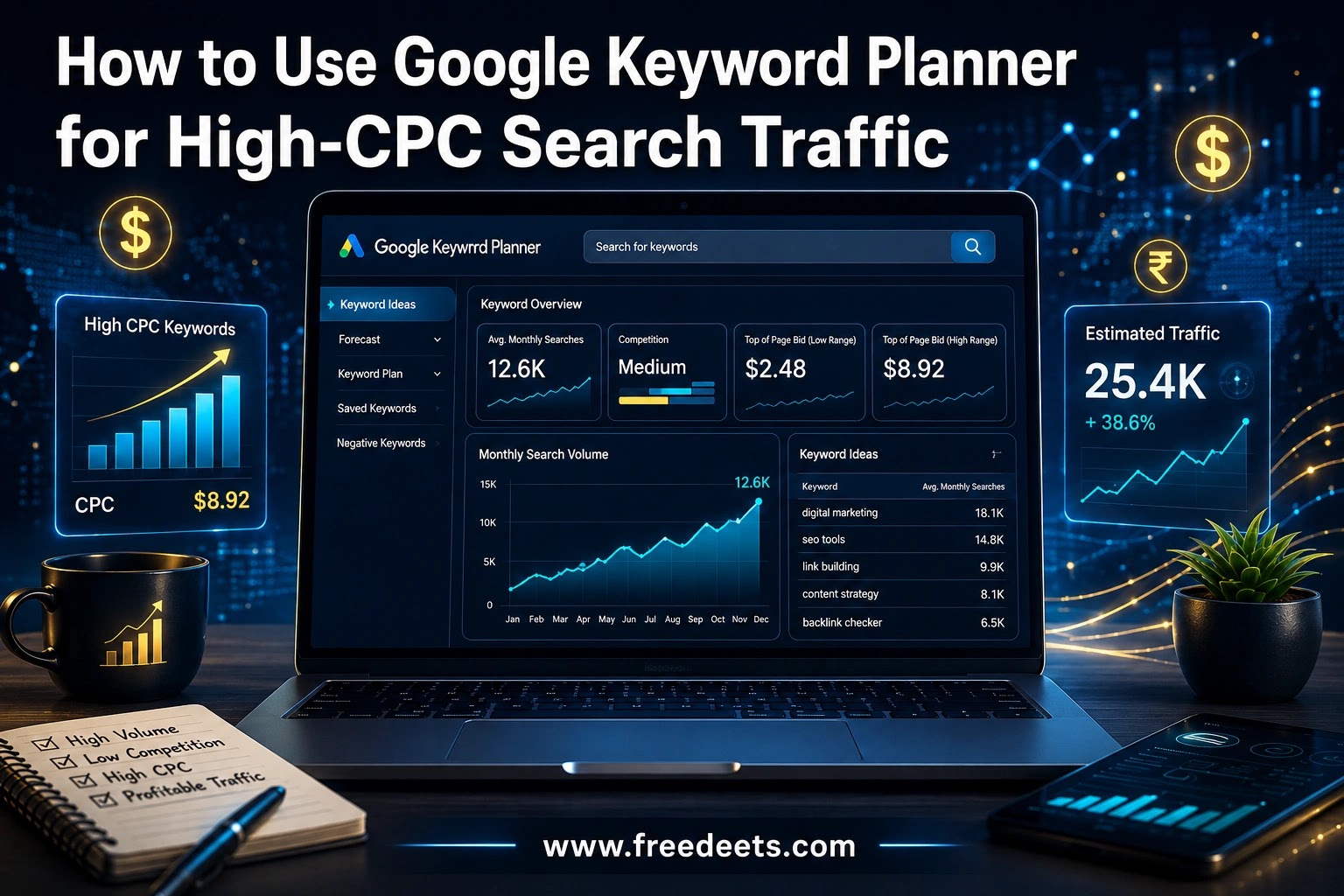
Originally engineered for pay-per-click advertisers on Google Ads, the platform has become a foundational tool for organic search engine optimization. According to search architecture guidelines published by Google Search Central, creating helpful, reliable content starts with addressing real user queries and search intent. Leveraging firsthand data from Google ensures your editorial calendar targets topics with proven commercial demand.
Core SEO Takeaway for Publishers
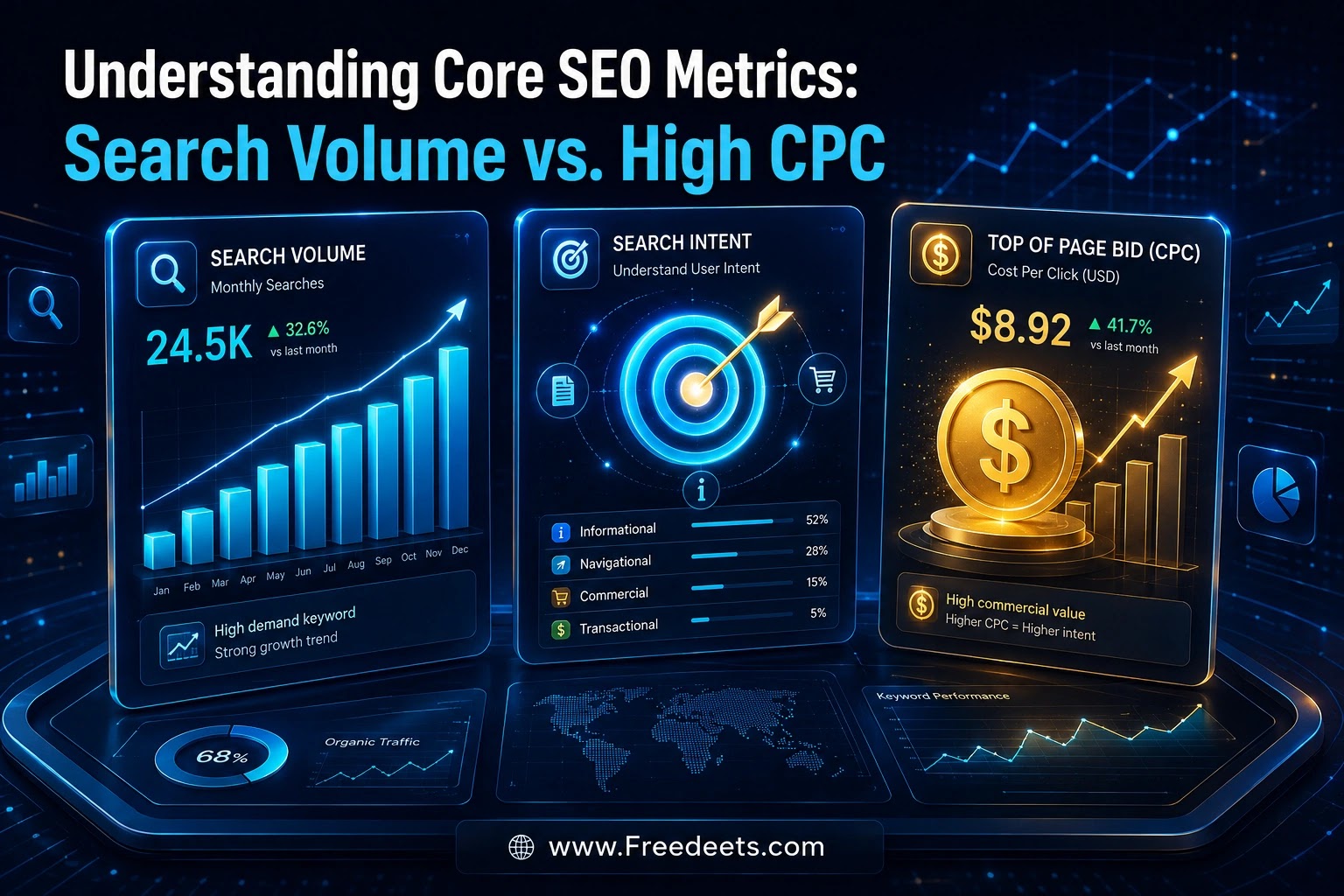
High search volume does not equal high profitability. Focusing on terms with substantial Top-of-Page Bids reveals commercial buyer intent, which directly attracts premium AdSense advertisers and lifts overall page RPM.
1. Why Google Keyword Planner Is Essential for SEO
Keyword research is the disciplined process of identifying the phrases and questions your audience submits to search engines. Relying on Google Keyword Planner provides distinct advantages over third-party estimation platforms:
- First-Party Data Accuracy: Rather than relying on third-party scrapers or theoretical estimations, metrics originate directly from Google’s active advertising exchange.
- Accurate Search Intent Classification: By reviewing advertiser competition and bid ranges, you can determine whether a query is informational, commercial, or transactional.
- Direct Revenue Opportunity Spotting: High advertiser bid ranges highlight lucrative niches—such as enterprise software, commercial insurance, and personal finance—that maximize display ad earnings.
2. Step-by-Step: Setting Up Google Keyword Planner for Free
While Keyword Planner resides within the Google Ads platform, you do not need an active advertising budget to use its research features:
- Navigate to the official portal at Google Keyword Planner and sign in with your Google account.
- If the setup wizard prompts you to build an active advertising campaign, select “Switch to Expert Mode” at the bottom of the interface.
- Click “Create an account without a campaign” to bypass billing requirements and enter the main dashboard.
- Under the top navigation bar, click Tools and Settings and select Keyword Planner under the Planning submenu.
3. Discovering High-Yield Keyword Ideas
Once inside the main console, choose “Discover new keywords.” You have two distinct research workflows:
Start with Seed Keywords
Input 3 to 5 core phrases that describe your publishing topic (for example, “commercial umbrella insurance,” “fleet risk management,” “business liability limits”). Be sure to set your target country (e.g., United States) to ensure bid ranges reflect your preferred monetization market.
Start with a Competitor URL
Paste the specific article URL of a top-ranking competitor into the URL bar. Select “Use only this page” to inspect the exact keyword portfolio Google’s algorithms associate with that competing content.
4. Analyzing Core Metrics in Google Keyword Planner
Evaluating which keyword opportunities to prioritize requires understanding how Google reports keyword metrics:
| Reported Metric | Data Meaning | Strategic Content Application |
|---|---|---|
| Avg. Monthly Searches | Estimated 12-month query volume | Validates consistent user demand across seasons. |
| Competition (Ad-Based) | Low, Medium, or High advertiser density | High competition indicates strong buying intent and buyer interest. |
| Top of Page Bid (Low Range) | Historical low-end advertiser CPC bid | Establishes baseline monetization floor for programmatic ads. |
| Top of Page Bid (High Range) | Premium CPC bids for top search positions | Highlights high-value commercial keywords that command premium CPMs. |
5. Structuring Keyword Tiers: Short-Tail, Long-Tail, and Semantic Entities
A balanced content outline combines broad umbrella concepts with targeted user query variations:
- Short-Tail Head Terms: Broad phrases consisting of 1 to 2 words (e.g., “cyber liability”). While search volume is substantial, competition from legacy websites makes immediate rankings difficult for independent blogs.
- Long-Tail Variations: Highly specific search queries containing 3 or more words (e.g., “commercial cyber liability insurance cost small business”). Long-tail queries have lower individual search volume but convert at significantly higher rates with lower competition.
- Semantic Context Entities: Contextually related terms that Google expects within comprehensive coverage of a topic. Using semantic terms naturally reinforces the depth of your article without keyword stuffing.
6. 6 Steps to Execute a High-CPC Content Strategy
To convert research from Google Keyword Planner into high-ranking content, follow this editorial framework:
- Filter by Top-of-Page Bids: Sort keyword lists by high-range CPC bids to isolate commercial queries worth $15 to $50+ per click.
- Match Primary Search Intent: Examine existing SERP results to verify whether users expect a practical checklist, a comparison table, or a detailed regulatory guide.
- Place Key Terms in Critical HTML Elements: Include your primary focus keyword within the H1 title tag, introduction paragraph, URL slug, and at least one H2 subheading.
- Incorporate Structured Data Tables: Google frequently extracts formatted HTML tables for Featured Snippets when answering comparison queries.
- Audit Seasonal Interest via Trends: Confirm stability using Google Trends before investing significant editorial resources into a topic.
- Maintain Internal Linking Loops: Connect newly published keyword-targeted articles to existing topical clusters across your site to build domain authority.
Frequently Asked Questions About Google Keyword Planner
Is Google Keyword Planner completely free for organic SEO?
Yes. You can access Keyword Planner without running paid ads by selecting “Create an account without a campaign” during registration. While non-spending accounts may see search volume ranges (e.g., 1K–10K) instead of exact figures, the relative competition and CPC bid metrics remain accurate.
What does “Competition” mean in Keyword Planner?
The competition column indicates the volume of paid advertisers bidding on that specific keyword in Google Ads. For content publishers, high ad competition is a positive signal, confirming that the topic carries commercial intent and generates higher AdSense earnings.
How do high CPC keywords increase Google AdSense revenue?
Google AdSense operates on real-time programmatic auctions. When you publish authoritative content targeting keywords with high advertiser CPC bids, the programmatic exchange serves higher-value ads on your page, raising your effective CPM and page RPM.
Core Takeaways for Keyword Optimization
- Sort by Top-of-Page Bids to uncover commercial buyer intent.
- Target long-tail keyword variations to rank faster with lower difficulty.
- Place focus keywords naturally in headers, meta descriptions, and image alt text.
Conclusion
Mastering Google Keyword Planner transforms your content production from guesswork into a data-driven strategy. By identifying commercial search intent, tracking advertiser bid benchmarks, and structuring comprehensive guides around proven search queries, you position your digital publications for sustained organic search visibility and optimal monetization growth.