Why You Need a Specialized Motorcycle Accident Lawyer: Protecting Your Rights and Claim Value
Hiring an experienced motorcycle accident lawyer is the single most critical step an injured rider can take following a collision on American roads in 2026. Riding a motorcycle provides an unmatched sense of freedom, but it leaves riders physically vulnerable to negligent motorists and hazardous road conditions. When a crash occurs, injured motorcyclists face not only painful physical recoveries and steep medical bills, but also biased corporate insurance adjusters trained to shift blame onto the biker to minimize claim payouts.
The physical vulnerability of motorcyclists is backed by stark federal traffic statistics. According to comprehensive crash safety studies published by the National Highway Traffic Safety Administration (NHTSA), motorcyclists are approximately 28 times more likely than passenger car occupants to suffer fatal injuries in a crash per vehicle mile traveled. Because injuries sustained in motorcycle accidents are catastrophic—often involving traumatic brain injuries (TBIs), spinal cord trauma, or compound bone fractures—retaining specialized legal counsel is vital to calculate lifetime recovery costs accurately.
Core Legal Reality: The Biker Bias Defense
Insurance companies routinely rely on juror and public stereotypes that portray motorcyclists as reckless daredevils. A dedicated motorcycle accident lawyer combats this anti-biker bias by deploying professional accident reconstruction engineers and electronic data telemetry to establish clear liability against negligent passenger car drivers.
1. How a Motorcycle Accident Lawyer Dismantles Insurer Bias
Unlike standard rear-end car collisions, motorcycle accidents involve distinct vehicle dynamics, counter-steering mechanics, and unique line-of-sight angles that general practice personal injury attorneys often misunderstand:
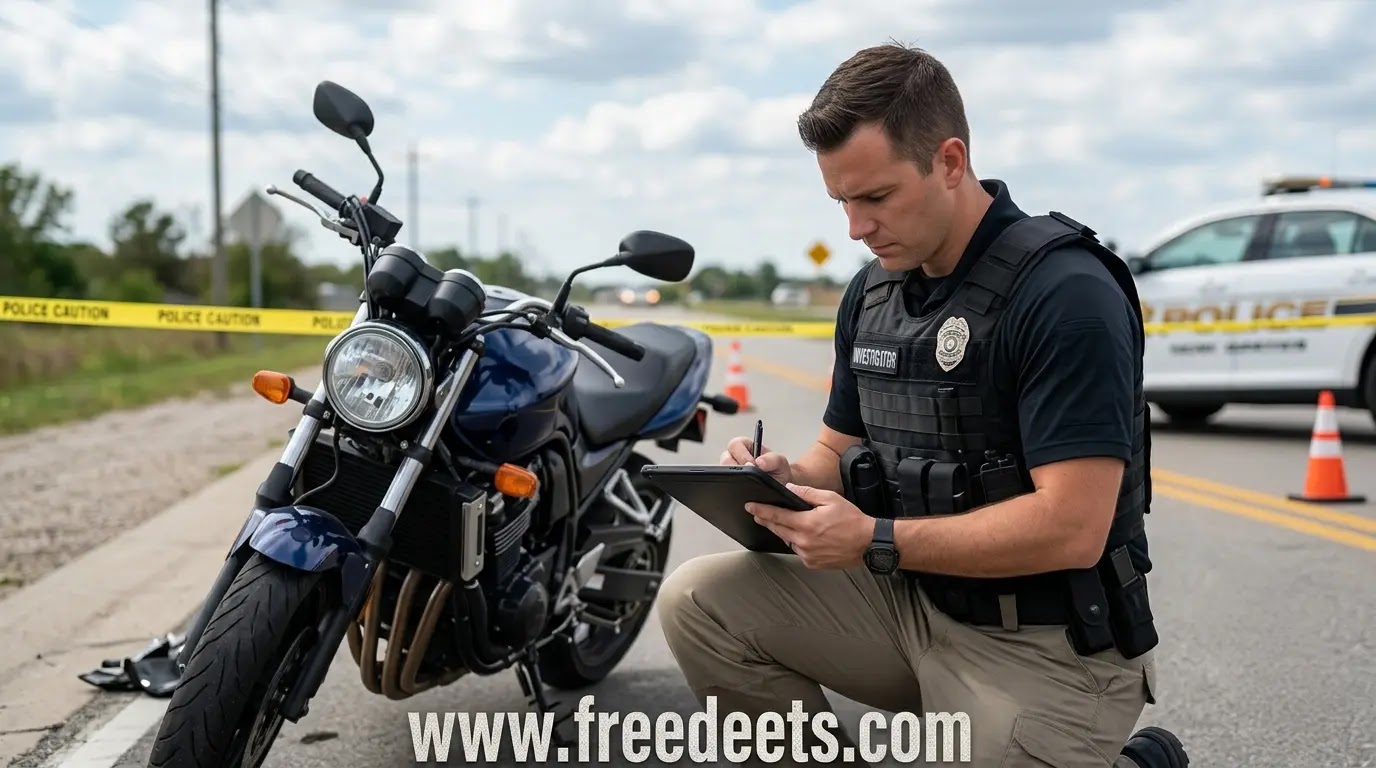
- Subpoenaing Commercial Telematics & Video: Securing nearby intersection surveillance cameras, municipal traffic feeds, and surrounding passenger dashcams before video loops overwrite.
- Scientific Accident Reconstruction: Partnering with accredited forensic engineers to calculate motorcycle speed, lean angles, yaw marks, and impact points to disprove false speeding accusations.
- Preserving Physical Riding Equipment: Retaining scuffed helmets, damaged leather jackets, and cracked fairings to prove protective gear compliance and physical point-of-contact mechanics.
- Overcoming Comparative Fault Traps: Countering insurance adjusters who attempt to assign 20% to 50% of the fault to the rider simply because they were operating a motorcycle.
2. Navigating State Negligence Standards and Comparative Fault Rules
State tort statutes govern how financial recovery is awarded when insurance companies claim both parties contributed to the crash. According to statutory tort overviews from the Legal Information Institute (LII), your financial compensation depends entirely on your jurisdiction’s negligence system:
| Negligence Doctrine | Jurisdictions Example | Impact on Your Settlement Payout |
|---|---|---|
| Modified Comparative Negligence | Texas, Florida, Illinois, Ohio | You can recover damages as long as your fault is 50% or 51% or less. Payouts are reduced proportionally by your fault percentage. |
| Pure Comparative Negligence | California, New York, Washington | You can recover compensation even if you are 90% at fault, though your damages award is reduced by that exact 90% allocation. |
| Contributory Negligence (Strict Bar) | Virginia, Maryland, North Carolina, Alabama, Washington D.C. | If the defense proves you were even 1% at fault, you are completely barred from collecting any financial compensation whatsoever. |
3. Calculating the Full Financial Value of Your Injury Claim
Accepting a quick, direct settlement offer from an insurance adjuster shortly after a collision is one of the most expensive mistakes an injured rider can make. A motorcycle accident lawyer assesses both immediate economic damages and lifelong non-economic losses:

- Immediate & Future Medical Care: Emergency medical helicopter airlifts, intensive care unit (ICU) hospitalizations, orthopedic hardware installations, skin graft procedures, and years of physical rehabilitation.
- Diminished Earning Capacity: Compensation for lost wages during recovery, as well as lifetime income losses if traumatic nerve or joint damage prevents you from returning to your trade.
- Non-Economic Pain and Suffering: Quantifiable damages for chronic neuropathic pain, phantom limb trauma, disfigurement, road rash scarring, and post-traumatic stress disorder (PTSD).
- Custom Motorcycle & Gear Replacement: Full market replacement reimbursement for customized exhaust systems, aftermarket suspensions, bespoke paintwork, and certified protective gear.
- Medical Lien Negotiation: Negotiating subrogation liens from private health insurers, Medicare, or Medicaid to ensure a larger portion of the final settlement check remains in your hands.
4. Primary Causes of Multi-Vehicle Motorcycle Collisions
Establishing liability requires proving that the motorist violated basic traffic safety rules. The vast majority of severe motorcycle crashes stem from passenger vehicle negligence:

- Unprotected Left-Turn Collisions: The single most common motorcycle collision. A driver turns left at an intersection directly across an oncoming motorcycle’s right-of-way, misjudging speed or failing to see the single headlight.
- Blind Spot Merging: Motorists failing to turn their heads and physically inspect blind spots before initiating high-speed highway lane changes.
- Distracted Driving & Inattention Blindness: Drivers focused on smartphones, infotainment navigation screens, or hands-free calling systems fail to register motorcycles in their visual path.
- Dooring Accidents in Urban Corridors: Parked drivers opening car doors into oncoming traffic lanes without checking mirrors for passing riders.
5. 6 Immediate Steps to Take After a Motorcycle Collision
The immediate hours following an accident dictate the strength of your future legal claim. Follow these six essential steps:
- Call 911 and Request Law Enforcement: Ensure a police officer responds to the scene and drafts an official Police Accident Report documenting vehicle positions and driver citations.
- Undergo a Complete Medical Evaluation: High adrenaline levels mask severe internal hemorrhaging, neck fractures, and concussions. Establishing a direct medical record on the date of the incident eliminates defense claims that injuries occurred elsewhere.
- Document the Collision Scene: Photograph vehicle positions, gouge marks on the pavement, oil slicks, street lighting, weather conditions, and visible bodily injuries.
- Collect Unbiased Eyewitness Contacts: Secure names, phone numbers, and home addresses of independent pedestrians or drivers who witnessed the impact.
- Refuse to Give Recorded Statements: Defense insurance claims adjusters will call asking for recorded accounts of the crash. Politely decline until you have retained legal counsel.
- Retain a Specialized Motorcycle Accident Lawyer: Choose an attorney who operates on a contingency fee basis to review your case and preserve critical camera feeds.
6. Key Criteria for Choosing the Best Motorcycle Injury Attorney
Not all personal injury practices possess the trial resources required to litigate complex motorcycle accident claims:
- Proven Courtroom Trial Record: Insurance carriers track which firms settle for quick, low payouts versus trial lawyers who regularly take cases before juries to secure maximum awards.
- Strict Contingency-Fee Agreement: Ensure your retainer agreement specifies a “No Win, No Fee” policy where you pay zero upfront retainers and the firm advances all expert investigation costs.
- Direct Motorcycle Community Experience: Choose an attorney who understands motorcycle mechanics, riding gear ratings, counter-steering principles, and local traffic customs.
Frequently Asked Questions About Motorcycle Accident Lawyers
How much does it cost to hire a motorcycle accident lawyer?
Most reputable motorcycle injury lawyers work on a contingency fee basis. You pay nothing out of pocket. The attorney receives an agreed-upon percentage (typically 33.3% to 40%) only if they successfully recover money for you through an out-of-court settlement or jury verdict. If your case is unsuccessful, you owe zero legal fees.
Can I recover compensation if I was not wearing a helmet during the crash?
Yes. Not wearing a helmet does not void your right to recover damages if another motorist caused the collision. However, in states with universal helmet mandates, defense attorneys may argue under comparative negligence rules that head or facial injuries were exacerbated by the absence of a helmet, potentially reducing non-economic damages.
How long do I have to file a motorcycle accident lawsuit in the US?
The deadline to file a lawsuit is governed by your state’s statute of limitations, typically ranging from one to four years from the date of the crash (for example, two years in Texas and California, and three years in New York). Missing this statutory deadline permanently bars you from pursuing compensation in civil court.
Core Takeaways for Injured Riders
- Never accept an insurer’s initial settlement offer before consulting specialized counsel.
- Dedicated motorcycle attorneys use forensic engineering to dismantle anti-biker bias.
- Contingency fee structures ensure zero personal financial risk when pursuing justice.
Conclusion
Recovering from a serious motorcycle crash involves physical, emotional, and financial challenges. Insurance companies move quickly to shift fault onto riders and minimize payout obligations. By partnering with a specialized motorcycle accident lawyer—one who understands motorcycle dynamics, knows how to overcome juror stereotypes, and prepares every case for trial—you level the playing field against corporate insurers. Schedule a complimentary case evaluation today to protect your legal rights and secure the full compensation you deserve.