The Future of Innovation: Exploring the Power of Technology Incubation Centers
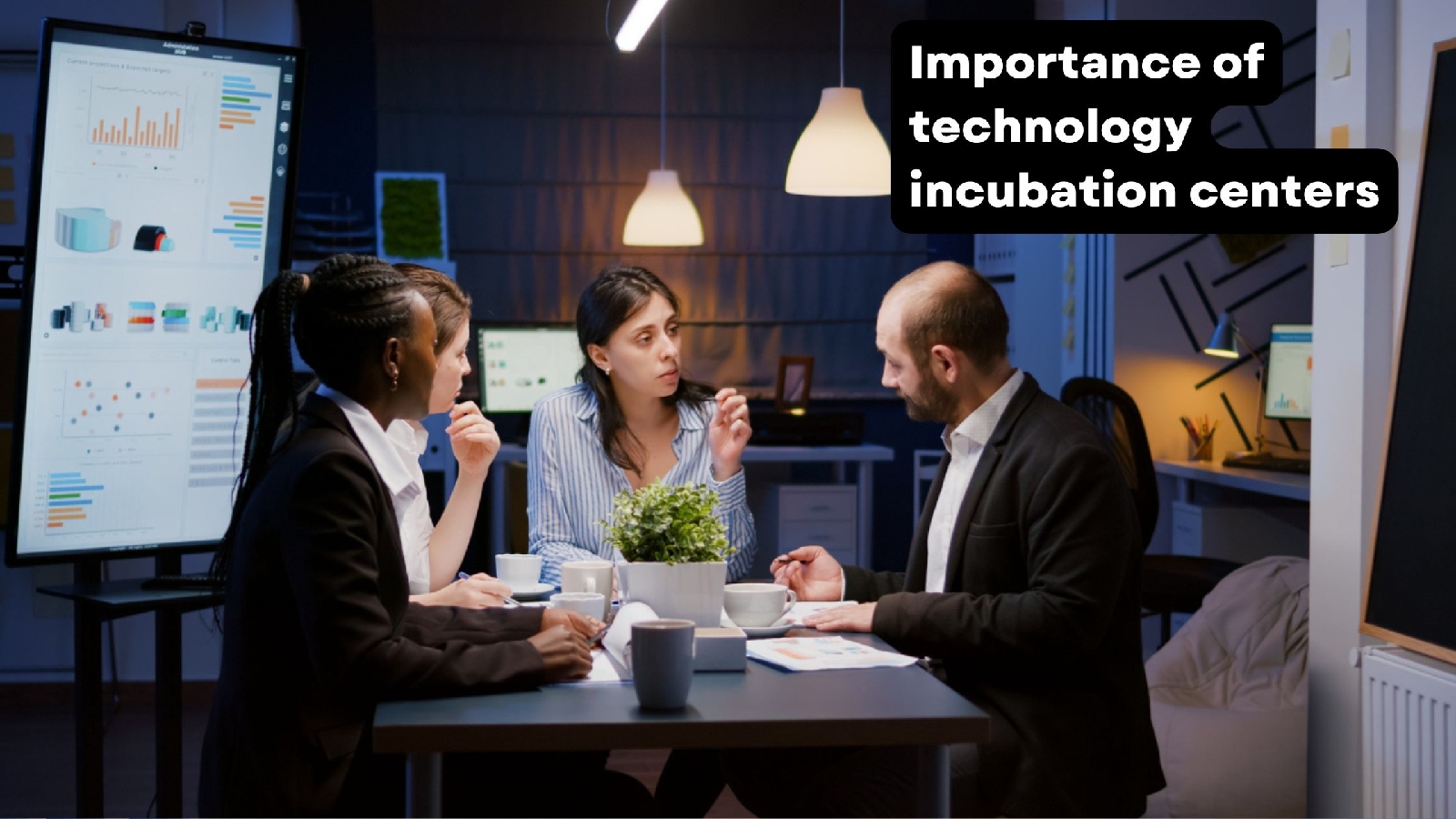
Understanding the operational role of technology incubation centers has become essential for entrepreneurs, enterprise innovators, and venture capital investors navigating the 2026 economy. Transforming raw concepts into viable commercial enterprises requires more than software code; it demands scalable computing infrastructure, legal governance, industry mentorship, and early-stage capital. Technology incubation centers serve as structured environments where early-stage startups de-risk their business models and accelerate commercialization.

Launching a technology startup carries substantial financial and market risk. According to business longevity benchmarks compiled by the U.S. Small Business Administration (SBA), early-stage enterprises supported by accredited incubation programs achieve survival rates significantly higher than standalone ventures. By providing subsidized wet labs, high-performance computing clusters, and direct investor access, technology incubation centers build resilient regional innovation ecosystems.
Core Incubation Advantage
Beyond subsidized office space, top-tier incubators reduce early-stage failure rates by embedding founders within structured ecosystems featuring intellectual property attorneys, veteran operators, and pre-seed venture syndicates.
1. What Are Technology Incubation Centers?
A technology incubation center is a specialized organization designed to accelerate the growth and commercial success of early-stage startups through comprehensive business support services. Unlike traditional commercial co-working spaces, technology incubation centers operate structured development programs:
- Shared Physical & Technical Infrastructure: Provides access to co-working desks, private wet-lab cleanrooms, 3D rapid prototyping facilities, and high-density GPU computing clusters that early startups cannot independently afford.
- Executive & Technical Mentorship: Pairs founders with exited entrepreneurs, patent attorneys, and corporate executives to refine pricing models, go-to-market strategies, and product development cycles.
- Capital Introductions & Pre-Seed Grants: Connects cohort companies directly with angel syndicates, venture capitalists, and federal research grants (such as SBIR/STTR funding).
- Corporate & University Ecosystem Ties: Bridges the gap between university academic research labs and commercial industrial applications.
2. Technology Incubation Centers vs. Startup Accelerators
While often used interchangeably, incubators and accelerators operate on distinct business models, cohorts, and development timelines:

| Program Dimension | Technology Incubation Centers | Startup Accelerators |
|---|---|---|
| Venture Stage | Idea, R&D, Prototype, Pre-Seed | Early Traction, Seed to Series A |
| Program Duration | 1 to 3 Years (Flexible Milestones) | 3 to 6 Months (Intensive Cohort) |
| Equity Requirements | 0% to 2% (Often Non-Profit / University) | 5% to 8% Equity Stake |
| Culminating Event | Commercial Market Launch & Spin-Out | High-Stakes Investor Demo Day |
3. 5 Core Ways Technology Incubation Centers Drive Innovation
Modern incubation facilities catalyze technical breakthroughs across high-barrier sectors:

1. Lowering Initial Capital Expenditure (CapEx)
Deep-tech startups in biotech, hardware, or artificial intelligence face millions of dollars in equipment costs before creating their first product prototype. Incubators provide shared access to mass spectrometers, cleanrooms, and testing facilities, allowing companies to reach proof-of-concept on modest grant budgets.
2. De-Risking Regulatory and Patent Pathways
Navigating FDA medical device approvals, FCC radio emissions compliance, and USPTO patent filings can exhaust young teams. On-site legal clinics and regulatory advisors guide founders through compliance frameworks early, avoiding costly redesigns.
3. Academic Technology Transfer
Many prominent university incubation programs specialize in commercializing academic discoveries. By helping tenured professors and doctoral researchers license university-developed patents into independent corporate entities, incubators transform academic research into market-ready products.
4. Facilitating Cross-Disciplinary Synergies
Housing software developers, materials scientists, and biomedical researchers under one roof sparks cross-disciplinary innovation. Collaborative collisions between disparate fields often lead to novel applications in areas like digital therapeutics and agricultural automation.
5. Fostering Regional Economic Resilience
According to economic studies from the International Business Innovation Association (InBIA), for every dollar invested in technology incubation centers, regional economies realize substantial returns through high-paying engineering job creation and commercial tax revenue.
4. Primary Incubation Models in the United States
Startups can select from several institutional incubation structures based on their capital requirements and market focus:

- University-Affiliated Incubators: Focus heavily on faculty spin-outs and doctoral research commercialization in life sciences, robotics, and advanced materials.
- Municipal & Economic Development Incubators: State-funded facilities designed to revitalize regional cities by providing subsidized office space and local manufacturing connections.
- Corporate Innovation Centers: Run by established global corporations to identify early-stage startups that complement their enterprise product roadmaps.
- Virtual Incubation Platforms: Cloud-native programs that connect distributed remote founders with mentorship, digital software discounts, and investor networks without physical relocation.
5. How Startups Can Secure Admission into Top Programs
Competition for entry into prestigious technology incubation centers is intense. Founders can improve their acceptance odds by preparing thoroughly:

- Demonstrate Clear Technical Defensibility: Show that your product has proprietary intellectual property, patent protection, or specialized algorithmic moats that competitors cannot easily copy.
- Validate Problem-Market Fit: Provide preliminary customer discovery interviews, letters of intent (LOIs), or early pilot sign-ups proving market demand.
- Assemble a Complementary Founding Team: Pairing strong technical expertise with commercial sales and operational execution improves committee confidence.
- Articulate Specific Facility Needs: Clearly specify which incubator facilities (e.g., biological fume hoods, cleanrooms, compute servers) are essential to your milestones.
6. Future Trends Shaping Business Incubation in 2026
Incubation centers are evolving to support a new generation of technical challenges:

- AI-Native Development Stacks: Integrating sovereign server hardware, local vector databases, and foundational AI agent sandboxes for rapid product prototyping.
- Cleantech and Climate Sustainability: Incubators dedicated to carbon sequestration, battery storage chemistry, and circular economy supply chains.
- Decentralized Cross-Border Coalitions: Global alliances between regional incubators that allow member startups to pilot products internationally across partner hubs.
Frequently Asked Questions About Technology Incubation Centers
Do technology incubation centers take equity from startups?
It depends on the operating model. University-affiliated and government-backed incubators typically do not take equity, charging small monthly lease fees instead. Private for-profit incubators and hybrid accelerator programs may request between 1% and 5% equity in exchange for seed funding and resources.
How long do startups typically remain in an incubator?
Startups generally stay between 12 and 36 months. Deep-tech and life sciences ventures requiring extensive laboratory testing and clinical trials often stay longer than pure software SaaS companies.
What is the difference between a co-working space and an incubator?
A co-working space provides flexible office desks and basic amenities without business guidance. A technology incubation center provides structured acceleration: specialized technical laboratories, mentor matching, investor introductions, and regulatory compliance assistance.
Core Takeaways for Founders
- Incubators provide shared infrastructure that significantly lowers startup capital burn.
- University-linked programs help license academic research into scalable commercial businesses.
- Select an incubator based on specific sector resources like wet labs or compute clusters.
Conclusion
Technology incubation centers are indispensable engines of economic growth and technological progress. By bridging the gap between initial scientific research and commercial viability, these centers allow founders to build defensible, sustainable businesses. Whether you are an aspiring entrepreneur seeking lab facilities or an enterprise leader exploring startup partnerships, engaging with technology incubation centers connects you to the future of technological innovation.